Φθηνός φακός πορτρέτου για ΝΙΚΟΝ?
- Thread starter ΒΛΑΣΙΔΗΣ
- Start date
-
Αγαπητοί φίλοι και φίλες,
Σας προσκαλούμε να γιορτάσουμε μαζί τα 20α γενέθλια του AVclub.
Το Σάββατο 10 Οκτωβρίου, από τις 18:00 θα πραγματοποιήσουμε το πάρτι των γενεθλίων του φόρουμ μας στο Peñarrubia Lounge.
Δηλώστε τη συμμετοχή σας εδώ, θα χαρούμε πολύ να σας δούμε από κοντά.
You are using an out of date browser. It may not display this or other websites correctly.
You should upgrade or use an alternative browser.
You should upgrade or use an alternative browser.


send
AVClub Fanatic
Πολλά βρε παιδιά μου φαίνονται τα 300 ευρά για τον 105/2.5
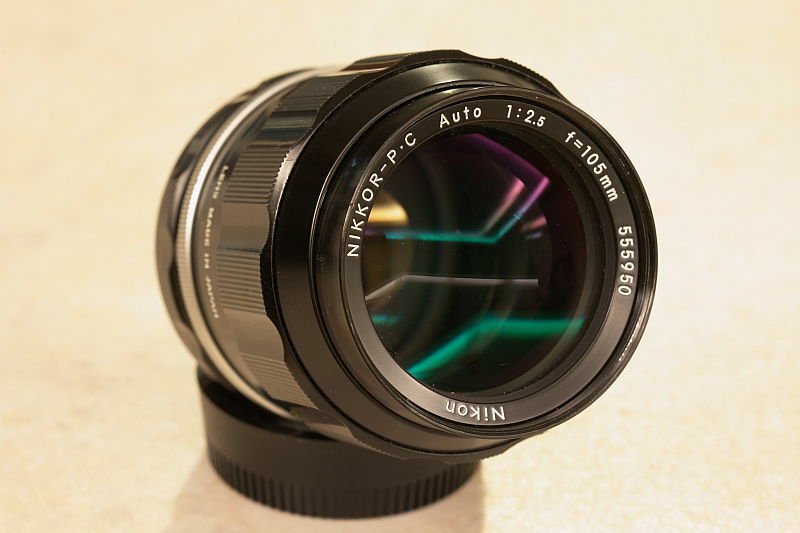
Τον δικό μου πρέπει να τον πήρα γύρω στα 100, είναι βέβαια η έκδοση πριν το ai, αλλά ίδια οπτική σχεδίαση και απόδοση (P.C 105/2.5), χώρια που έχει και καλύτερη κατασκευή (πραγματικά) και συλλεκτική αξία (υποτίθεται).
Στο κέντρο γράφει πολύ καλά από ανοικτός, πραγματικά πολύ οξύς.
Παραθέτω ολόκληρη και κροπ (ανοικτός). Λήψη από 1.4 μέτρα, βάθος πεδίου όπως βλέπετε, πολύ ρηχό.


Είναι αυτός:

Τον δικό μου πρέπει να τον πήρα γύρω στα 100, είναι βέβαια η έκδοση πριν το ai, αλλά ίδια οπτική σχεδίαση και απόδοση (P.C 105/2.5), χώρια που έχει και καλύτερη κατασκευή (πραγματικά) και συλλεκτική αξία (υποτίθεται).
Στο κέντρο γράφει πολύ καλά από ανοικτός, πραγματικά πολύ οξύς.
Παραθέτω ολόκληρη και κροπ (ανοικτός). Λήψη από 1.4 μέτρα, βάθος πεδίου όπως βλέπετε, πολύ ρηχό.
Είναι αυτός:
Attachments


Φυσικά είναι πολλά τα 300 ευρώ, έχω δει να κλείνουν και στα 200-220.
Πάντως Τάσο να ξέρεις ότι υπάρχουν δυο σχεδιάσεις στο 105. Ο tessar και ο gauss. Ο δεύτερος είναι ο Legend.
Ilias μπορούμε να τα πούμε από το τηλέφωνο για τον φακό;
Πάντως Τάσο να ξέρεις ότι υπάρχουν δυο σχεδιάσεις στο 105. Ο tessar και ο gauss. Ο δεύτερος είναι ο Legend.
Ilias μπορούμε να τα πούμε από το τηλέφωνο για τον φακό;
send
AVClub Fanatic
Το ξέρω, το έκανα το διάβασμά μου πριν τον πάρω...
Ο παλιός ήταν σχεδιάση Sonnar (όχι Tessar, η Sonnar είναι σχεδιάση 5 στοιχείων).
Αυτός που έχω εγώ είναι σχεδίαση Gauss (5 στοιχεία σε 4 ομάδες), όπως είναι όλοι οι 105/2.5 πριν το ai που αναγράφουν P.C (ήγουν, πολλαπλών επιστρώσεων), αν και είχαν βγει και μερικοί Gauss δίχως πολλαπλές ("P" σκέτο).
Η οπτική φόρμουλα παραμένει ίδια και σήμερα, μιλάμε για πάνω από 35 χρόνια.
Αλλά σαν κατασκευή μου αρέσει ο δικός μου, εξαιρετική και εξαιρετικά στιβαρή (οι ai/ais έχουν λαστιχένιο δαχτυλίδι εστίασης). Δεν φαίνεται να έχει παλιώσει τόσα χρόνια πάντως.
Ο παλιός ήταν σχεδιάση Sonnar (όχι Tessar, η Sonnar είναι σχεδιάση 5 στοιχείων).
Αυτός που έχω εγώ είναι σχεδίαση Gauss (5 στοιχεία σε 4 ομάδες), όπως είναι όλοι οι 105/2.5 πριν το ai που αναγράφουν P.C (ήγουν, πολλαπλών επιστρώσεων), αν και είχαν βγει και μερικοί Gauss δίχως πολλαπλές ("P" σκέτο).
Η οπτική φόρμουλα παραμένει ίδια και σήμερα, μιλάμε για πάνω από 35 χρόνια.
Αλλά σαν κατασκευή μου αρέσει ο δικός μου, εξαιρετική και εξαιρετικά στιβαρή (οι ai/ais έχουν λαστιχένιο δαχτυλίδι εστίασης). Δεν φαίνεται να έχει παλιώσει τόσα χρόνια πάντως.
Όπως έγραψα και πιο πάνω, τα 300Ε τα θεωρώ πολλά και για αυτό δεν τον πρότεινα στο Βλάση.
Ο 85αρης όμως είναι σε καλή τιμή, δεν είναι τιμή χώμα αλλά είναι καλή. Δεν είναι όμως ο D, Βλάση η απόφαση είναι δική σου.
Τον 105 τον έχω επίσης, αυτόν που έχει ο Τάσος ακριβώς, ψάχνω και τον ais όμως.
Aκόμη έχω τον 135/3,5 που μπορεί να βρεθεί φθηνά και κατα την ταπεινή μου γνώμη είναι πολύ καλός. Βέβαια ο f2 είναι άλλη κλάση αλλά κάνει και άλλα χρήματα ενώ εγώ το δικό μου τον πήρα 40Ε.
Βλάση πάντως να ξέρεις ότι ο φακός που σου γράφω είναι σε μαγαζί και δίνει και 6 μήνες εγγύηση. Εγώ δυστυχώς δε μπορώ να βοηθήσω περισσότερο από το να σου στείλω pm με το που ακριβώς είναι ο φακός και να στείλεις κάποιον να το κοιτάξει. Σήμερα το μεσημέρι φεύγω εκτός Ελλάδας και θα απουσιάσω για 10-12 μέρες. Αν όταν γυρίσω υπάρχει ακόμα ο φακός ευχαρίστως να βοηθήσω
Ο 85αρης όμως είναι σε καλή τιμή, δεν είναι τιμή χώμα αλλά είναι καλή. Δεν είναι όμως ο D, Βλάση η απόφαση είναι δική σου.
Τον 105 τον έχω επίσης, αυτόν που έχει ο Τάσος ακριβώς, ψάχνω και τον ais όμως.
Aκόμη έχω τον 135/3,5 που μπορεί να βρεθεί φθηνά και κατα την ταπεινή μου γνώμη είναι πολύ καλός. Βέβαια ο f2 είναι άλλη κλάση αλλά κάνει και άλλα χρήματα ενώ εγώ το δικό μου τον πήρα 40Ε.
Βλάση πάντως να ξέρεις ότι ο φακός που σου γράφω είναι σε μαγαζί και δίνει και 6 μήνες εγγύηση. Εγώ δυστυχώς δε μπορώ να βοηθήσω περισσότερο από το να σου στείλω pm με το που ακριβώς είναι ο φακός και να στείλεις κάποιον να το κοιτάξει. Σήμερα το μεσημέρι φεύγω εκτός Ελλάδας και θα απουσιάσω για 10-12 μέρες. Αν όταν γυρίσω υπάρχει ακόμα ο φακός ευχαρίστως να βοηθήσω
NNOW
AVClub Addicted Member
Εγώ θα σου πρότεινα να βρεις φακό τουλάχιστο 2.8 και μεγαλύτερο διάφραγμα. Εγώ με τον canon 100/2 έχω βρει τον ιδανικό για πορτραίτα. Και το /2 μου χρειάστηκε πολλές φορές.
send
AVClub Fanatic
Νομίζω Βλάση καλύτερα να ψάξεις λίγο καλύτερα στο ebay για τον 105/2.5, μπορεί να βρεθεί κάτω από 150 ευρώ πιστεύω εάν έχεις υπομονή 2-3 εβδομάδες. Τον θεωρώ πολύ καλό, και την οξύτητα σε ανοικτό διάφραγμα -όπως φαίνεται επάνω, σε κροπ από τον 10ρη αισθητήρα της 40D- ό,τι πρέπει για πορτραίτα. Φυσικά εάν τον κλείσεις στο f/4, ξυρίζει σε όλο το καρέ.
send
AVClub Fanatic
Και για του λόγου το αληθές:
200 δολάρια με τα μεταφορικά από Αμερική, άμεση αγορά. Βέβαια όχι σε τόσο καλή κατάσταση όπως ο δικός μου που παρέθεσα παραπάνω.
Και 230 ένας Ais και σε καλύτερη κατάσταση.
Ακόμη φθηνότερος, 150 δολάρια, ais.
200 δολάρια με τα μεταφορικά από Αμερική, άμεση αγορά. Βέβαια όχι σε τόσο καλή κατάσταση όπως ο δικός μου που παρέθεσα παραπάνω.
Και 230 ένας Ais και σε καλύτερη κατάσταση.
Ακόμη φθηνότερος, 150 δολάρια, ais.
send
AVClub Fanatic
Αντιγράφω από http://www.naturfotograf.com/lens_surv.html (ωραία σελίδα με σχόλια και υποκειμενική "βαθμολογία" -από το 1 έως το 5- για περίπου όλους τους φακούς του συστήματος Νικον, ακόμη και προσαρμοσμένους, ακόμη και για την απόδοση των φακών σε IR!)
105 mm f/2.5 Nikkor-P (Sonnar Type)
[non-AI]
4.5
This portrait Nikkor inherited the Sonnar optical formula (5 elements in 3 groups) of the legendary rangefinder 'S' version from 1953. The Sonnar is easily identified by its smallish rear element compared to more recent versions. It was an extremely sharp lens for its time and the optical quality still surpasses that of many modern lenses. It underwent cosmetic changes of the exterior only and stayed in production until 1971. It is a great performer at f/5.6 and provides for good performance even wide open, but flare could be a problem here.
105 mm f/2.5 Nikkor-P·C (Gauss Type)
[lenses labelled P·C are non-AI,
otherwise AI, AIS ]
5
(F2, F4, F5)
5
(D2X)
5
(FX: D3)
IR:
5
(D200 modified, S3Pro UVIR)
Nikon redesigned the popular 105 mm in 1972 and choose to use a new Gauss-type design (5 elements in 4 groups) instead of the earlier tested and tried Sonnar formula. Probably they did this because of the 105 mm's growing popularity as a portrait lens. Since the Gauss formula gave better performance towards the near focusing limit this seems a wise move. The first batch evidently were released without multi-coating and carried the 'P' designation (I own one of them), but these were quickly replaced by multicoated 'P·C'-labelled lenses.
Current versions are outfitted with rubberised focusing collars and the lens data are removed. Compared to the earlier type of the 105/2.5 Nikkor, the new formula offered even better image definition, enhanced close-range performance, and a much improved colour saturation for the multi-coated versions. It performed better than its predecessor wide open, and delivered tremendously sharp images from f/4 onwards. Flare is only a problem under the most extreme of adverse light conditions and ghosting is rarely a threat to image quality.
During the years, it has undergone some external changes, but the optical formula survived to this day. This is one of the truly great lenses of all times and a definite Nikon classic. It easily holds its own again any modern lens - what a pity that this prime lens lost its popularity during the onslaught of low-speed, medium-quality AF zooms. Oh well, the general public always get what they want - don't they.
The 105/2.5 is a killer combination on the D3. Even set wide open, high-contrast. bitingly sharp images result. At f/2.5, the extreme corners are a little soft, mainly due to field curvature, but at f/4 and beyond the entire frame is crisp and clear. Image quality holds up well to beyond f/16 where diffraction rears its fuzzy head.
IR: excellent performance, no hot spots.
Added note: My 105/2.5 PC finally underwent CPU-matrix surgery and now works on all my digital cameras. This was a test project of mine. While the maximum aperture of the chip doesn't match the lens (2.8 vs 2.5), so far metering seems little affected by this discrepancy. Later, I replaced the first chip with a custom-programmed CPU so as to have the true f/2.5 reading. Metering is still spot-on.
105 mm f/2.5 Nikkor-P (Sonnar Type)
[non-AI]
4.5
This portrait Nikkor inherited the Sonnar optical formula (5 elements in 3 groups) of the legendary rangefinder 'S' version from 1953. The Sonnar is easily identified by its smallish rear element compared to more recent versions. It was an extremely sharp lens for its time and the optical quality still surpasses that of many modern lenses. It underwent cosmetic changes of the exterior only and stayed in production until 1971. It is a great performer at f/5.6 and provides for good performance even wide open, but flare could be a problem here.
105 mm f/2.5 Nikkor-P·C (Gauss Type)
[lenses labelled P·C are non-AI,
otherwise AI, AIS ]
5
(F2, F4, F5)
5
(D2X)
5
(FX: D3)
IR:
5
(D200 modified, S3Pro UVIR)
Nikon redesigned the popular 105 mm in 1972 and choose to use a new Gauss-type design (5 elements in 4 groups) instead of the earlier tested and tried Sonnar formula. Probably they did this because of the 105 mm's growing popularity as a portrait lens. Since the Gauss formula gave better performance towards the near focusing limit this seems a wise move. The first batch evidently were released without multi-coating and carried the 'P' designation (I own one of them), but these were quickly replaced by multicoated 'P·C'-labelled lenses.
Current versions are outfitted with rubberised focusing collars and the lens data are removed. Compared to the earlier type of the 105/2.5 Nikkor, the new formula offered even better image definition, enhanced close-range performance, and a much improved colour saturation for the multi-coated versions. It performed better than its predecessor wide open, and delivered tremendously sharp images from f/4 onwards. Flare is only a problem under the most extreme of adverse light conditions and ghosting is rarely a threat to image quality.
During the years, it has undergone some external changes, but the optical formula survived to this day. This is one of the truly great lenses of all times and a definite Nikon classic. It easily holds its own again any modern lens - what a pity that this prime lens lost its popularity during the onslaught of low-speed, medium-quality AF zooms. Oh well, the general public always get what they want - don't they.
The 105/2.5 is a killer combination on the D3. Even set wide open, high-contrast. bitingly sharp images result. At f/2.5, the extreme corners are a little soft, mainly due to field curvature, but at f/4 and beyond the entire frame is crisp and clear. Image quality holds up well to beyond f/16 where diffraction rears its fuzzy head.
IR: excellent performance, no hot spots.
Added note: My 105/2.5 PC finally underwent CPU-matrix surgery and now works on all my digital cameras. This was a test project of mine. While the maximum aperture of the chip doesn't match the lens (2.8 vs 2.5), so far metering seems little affected by this discrepancy. Later, I replaced the first chip with a custom-programmed CPU so as to have the true f/2.5 reading. Metering is still spot-on.