
Μαλεριάδα ...
- Thread starter Δημοκηδής
- Start date
You are using an out of date browser. It may not display this or other websites correctly.
You should upgrade or use an alternative browser.
You should upgrade or use an alternative browser.

Κωστας Λυμπεροπουλος
AVClub Fanatic
- 17 June 2006
- 14,350
ο 'ξεσκαρτάρων' είναι ο Norman Lebrecht ....
μμμμμ...μεγάλη ...προσωπικότητα ο κύριος Lebrecht, τι να σου λέω...:bang:
η 'Espresso', το 'Εγώ' και το 'Λοιπόν' της κλασσικής μουσικής :icon15:
Περιποιεί τιμή στον μακαρίτη τον Κάραγιαν και μόνο που ένας τέτοιος γράφει εναντίον του


Τι ανοησίες! Ο Karajan το 1942, στο απόγειο της αντισημιτικής χιονοστιβάδας στη Γερμανία παντρεύτηκε μια κατά το ήμισυ εβραία και κατέστρεψε εν γνώσει του όλες τις πιθανότητες που είχε να κάνει καριέρα σα μαέστρος. Οπότε Ναζί δεν ήταν. Καιροσκόπος ίσως, αλλά όχι ναζί.

Brucknerian
Senior Member
Ο Lebrecht είναι ο τελευταίος άνθρωπος που πρέπει κανείς να εμπιστεύεται σχετικά με την κλασσική μουσική.
Για την ιστορία, η πρώτη επαφή του Karajan με τον Mahler, είναι πολύ πίσω στην δεκαετία του 1930, όταν ήταν στο Ulm και το Aachen μουσικός διευθυντής και πιθανότατα οφείλεται στην γνωριμία του και τον απέραντο θαυμασμό που είχε στον Wilhelm Mengelberg, έναν αρχιμουσικό τον οποίο θαύμαζε (αναφέρθηκε σε αυτόν σε μια συζήτηση του με τον Seiji Ozawa φοβούμενος να πει το όνομα του - στην συνέντευξη ο Ozawa το αντιλήφθηκε και είπε για ποιον μιλούσε).
Στις ηχογραφήσεις που είχε προγραμματίσει αλλά τον πρόλαβε ο θάνατος, ήταν και η 2η Συμφωνία του Mahler.
Για την ιστορία, η πρώτη επαφή του Karajan με τον Mahler, είναι πολύ πίσω στην δεκαετία του 1930, όταν ήταν στο Ulm και το Aachen μουσικός διευθυντής και πιθανότατα οφείλεται στην γνωριμία του και τον απέραντο θαυμασμό που είχε στον Wilhelm Mengelberg, έναν αρχιμουσικό τον οποίο θαύμαζε (αναφέρθηκε σε αυτόν σε μια συζήτηση του με τον Seiji Ozawa φοβούμενος να πει το όνομα του - στην συνέντευξη ο Ozawa το αντιλήφθηκε και είπε για ποιον μιλούσε).
Στις ηχογραφήσεις που είχε προγραμματίσει αλλά τον πρόλαβε ο θάνατος, ήταν και η 2η Συμφωνία του Mahler.

- 23 June 2006
- 10,574
- 23 June 2006
- 10,574
... one cannot constantly refer to the biography to explain the music. The biography is one thing, and the biography is important to know, to see, the circumstances of the first performances, how he composed the pieces, and so on and so forth. But it does not explain the pieces at all. And you know, when he composed, he had a kind of mesh of motives, of themes, and he organised them very carefully, and it is not a kind of emotion which is thus improvising constantly; that’s an emotion which organised. And that is very important for me, that the organisation is part of the emotion ....
- 23 June 2006
- 10,574
... in Mahler you have maybe a movement which is 30 minutes long, or even more, and then you have to organise that. Certainly you cannot just go along and say, “Well I have this emotion at this moment. I am waiting for the second one”, and just play from time to time with holes in the middle. You have to have a trajectory, and to understand the trajectory, and to have the musicians understand what you call the trajectory of the piece. And so then, of course, at the beginning you think about it, and you say, well, I must think of that, because at that time that’s the main point in the piece, where the piece repeats itself or will repeat itself; then you have to pay attention to this and to that and to that, and obviously when you perform it more, then it becomes spontaneous. And in a funny way, the more understanding you are of the form itself, the more spontaneous you can become. Because otherwise, spontaneity is not just giving way to its emotion, but spontaneity is just to drive your soul, let’s say, through the movement, and never lose track of the trajectory you are taking...
- 23 June 2006
- 10,574
... Well, the number of times he writes ‛don’t drag’, or ‛don’t rush’, that’s always negative: nicht eilen; nicht schleppen. And he was afraid that you – precisely – that with the weight of the emotion, you just exaggerate what he wanted, and that’s exactly that. So, if you are excited you just push the tempo to the maximum, and then the tempo has absolutely no reason to be this quick. And, on the contrary, if you want to expand, if he writes a ritenuto, or a poco ritenuto or a molto ritenuto you do it, because then he wants that. But I mean, if there is simply nicht schleppen, then you cannot really say, well I feel this emotion at this moments, so I must go slower. Because then you have no continuity, and then, especially that’s very important when, for instance, you have not a crescendo, but a crescendo in tempo let’s say, and then you are going from 4/4 with four quarter notes, to 2/2, to two half notes; it should be absolutely without noticing. You have to go from a pulse to another pulse really, without anybody seeing the moment where you are doing that. And that is very important, especially in the 6th, where you have that in the last movement. You have it a couple of times, but you have that quite a lot at the end especially. Sometimes he wants to precipitate the tempo, and so instead of four beats you have two beats, instead of two beats you have one beat, and it’s very important to do that as smoothly as possible – not chopped, but continuous. ...
γενικότερα όλη η συνέντευξη είναι πολύ ενδιαφέρουσα ... οι φανατικοί μην την χάσετε ...
γενικότερα όλη η συνέντευξη είναι πολύ ενδιαφέρουσα ... οι φανατικοί μην την χάσετε ...

Κάλλη Συνοδινού
Supreme Member
- 17 June 2009
- 3,594
Να σας ρωτήσω dear all, τι λέτε γι αυτό;
http://www.deutschegrammophon.com/cat/single?&PRODUCT_NR=4779260&UNBUYABLE=1
να προχωρήσω σε παραγγελία ή να μείνω στα "μεμονωμένα";;
http://www.deutschegrammophon.com/cat/single?&PRODUCT_NR=4779260&UNBUYABLE=1
να προχωρήσω σε παραγγελία ή να μείνω στα "μεμονωμένα";;
Brucknerian
Senior Member
Να σας ρωτήσω dear all, τι λέτε γι αυτό;
http://www.deutschegrammophon.com/cat/single?&PRODUCT_NR=4779260&UNBUYABLE=1
να προχωρήσω σε παραγγελία ή να μείνω στα "μεμονωμένα";;
Οι επιλογές είναι και προφανείς και εξαιρετικές. Εγώ που τις έχω και "μεμονωμένες" είμαι εντάξει πάντως. Αν και τελευταία μετά την κρίση τα αντιμετωπίζω αυτά τα κουτάκια επίσης ως μεμονωμένα (όχι ότι δεν το έκανα πριν, αλλά τώρα ένα παραπάνω).
Πιστεύω για να πεις ένα είναι και είναι αυτό, πρέπει να γνωρίζεις αρκετά άλλα και αν γνωρίσεις αρκετά, ίσως (βεβαιότητα με τίποτα) κάποια θα ξεχωρίσεις, αλλά τότε γίνεται δυσκολότερο να πεις, "αυτό είναι και κανένα άλλο".
Οπότε... μάλλον συμβουλές δεν μετράνε... Αν είναι να το πάρουμε, το παίρνουμε για την εμπειρία και την ακρόαση και όπου μας βγάλει...
RiRiIII
New member
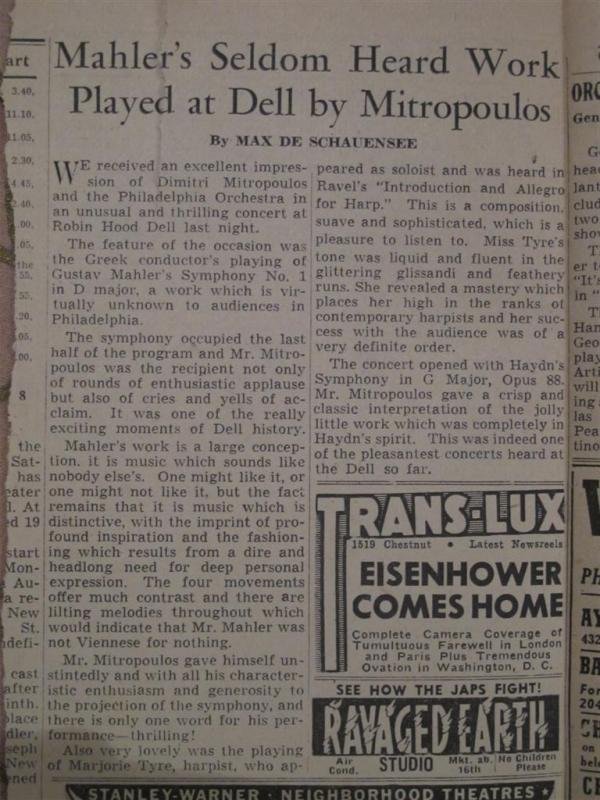
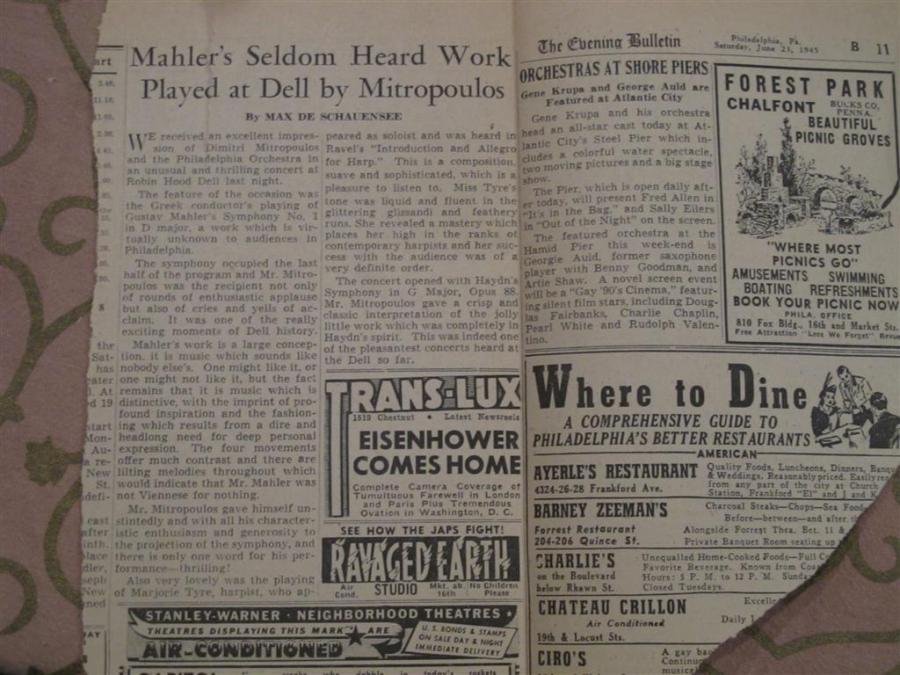
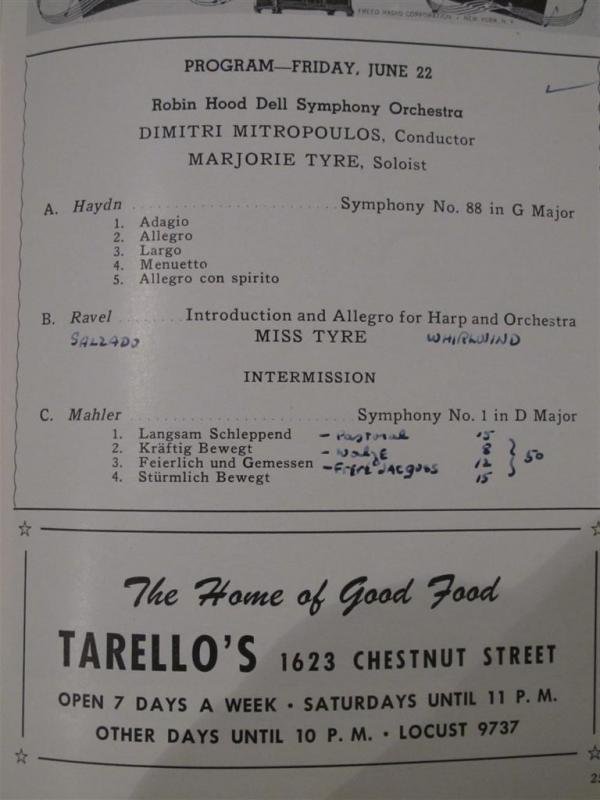
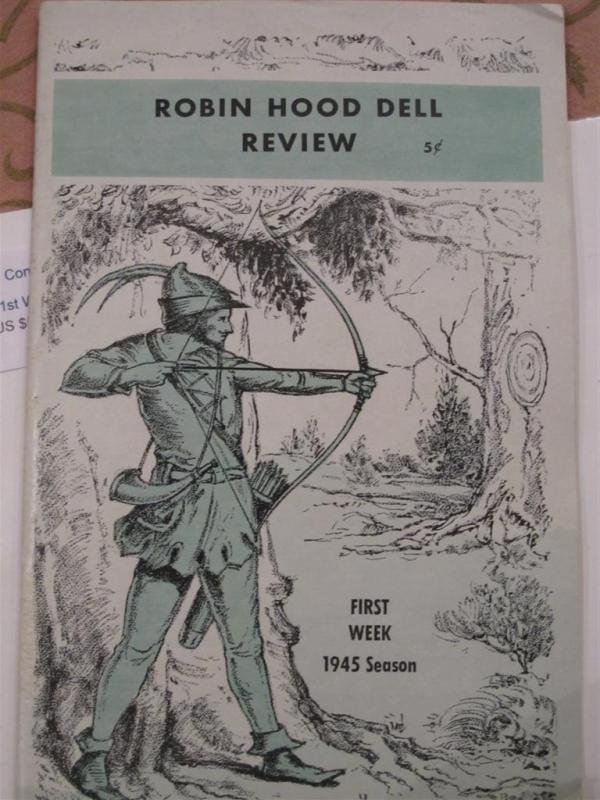
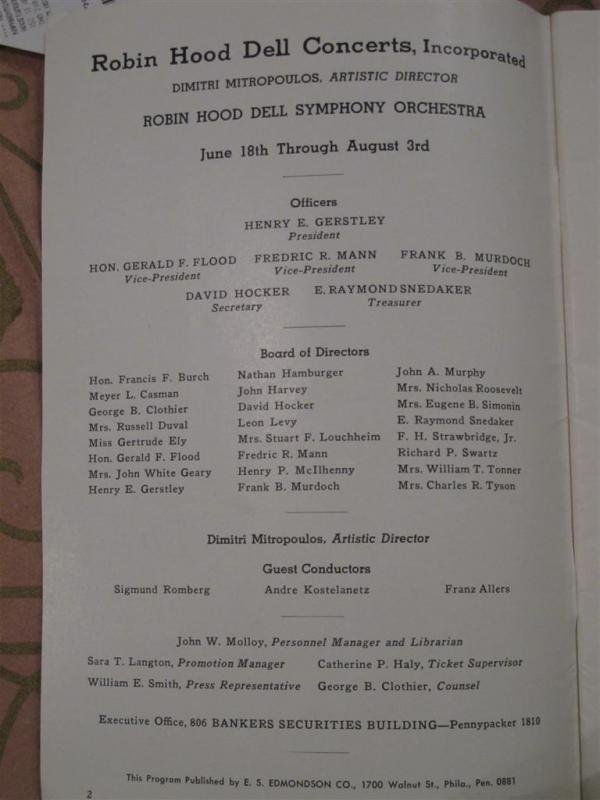
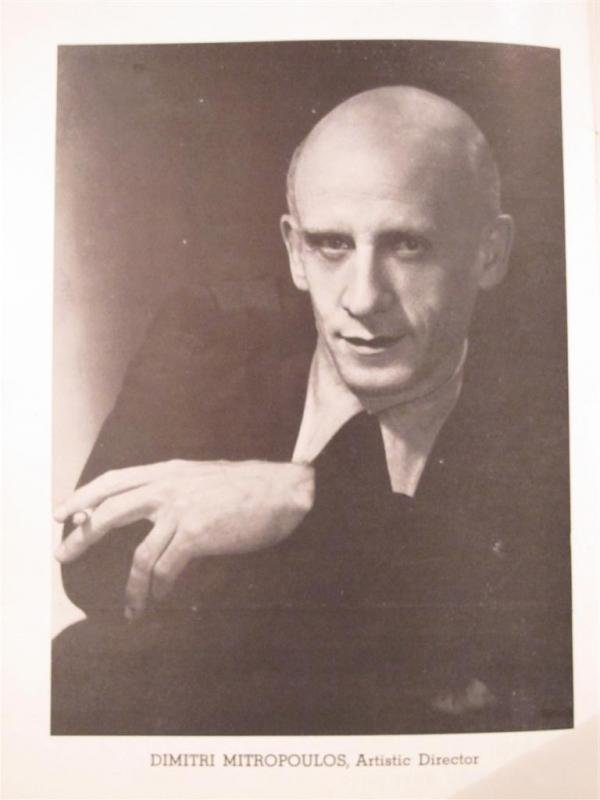
Στο πλαισιο των εορτασμων, επισυναπτω απο το αρχειο μου αποκομμα κριτικής + πρόγραμμα που μιλαει απο μονο του για πολλα θεματα!
Απιστευτο πώς 15-20 χρονια αργοτερα απο τη συγκεκριμενη συναυλια (22/6/1945, Philhadelphia Orchestra), ο Mahler έγινε mainstream και, σήμερα, πιο δημοφιλής στις αίθουσες ακόμη και από τον Beethoven. Κοινός τόπος, το γνωρίζω, αλλά εκτός αυτού, δίδαγμα για το τί σημαίνει αυτοθυσία (στην κυριολεξία) για έναν Σκοπό, γενικότερα. Μοναδικός.
Καλες Γιορτες,
ΑλΡ
Απιστευτο πώς 15-20 χρονια αργοτερα απο τη συγκεκριμενη συναυλια (22/6/1945, Philhadelphia Orchestra), ο Mahler έγινε mainstream και, σήμερα, πιο δημοφιλής στις αίθουσες ακόμη και από τον Beethoven. Κοινός τόπος, το γνωρίζω, αλλά εκτός αυτού, δίδαγμα για το τί σημαίνει αυτοθυσία (στην κυριολεξία) για έναν Σκοπό, γενικότερα. Μοναδικός.
Καλες Γιορτες,
ΑλΡ
Attachments
Last edited by a moderator:

- 23 June 2006
- 10,574
- 23 June 2006
- 10,574
- 23 June 2006
- 10,574
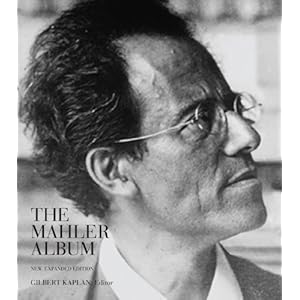
Το παρέλαβα χθες ! εξαιρετικά φροντισμένη έκδοση .... παρότι αρκετές από τις φωτογραφίες υπάρχουν στο διαδίκτυο, αφθονούν και οι λοιπές (κυρίως από το οικογενειακό περιβάλλον του, οι οποίες ουδέποτε είχαν δει το φως της ημέρας) ... για εμένα τουλάχιστον είναι μία άκρως συγκινητική διαδρομή ... να επισημάνω ότι η πρώτη έκδοση, για χρόνια out of print, άλλαζε χέρια για πολλά πολλά δολλάρια... η παρούσα δεύτερη έκδοση, στα πλαίσια του εορτασμού των 100/150 είναι εξαιρετική ευκαιρία για όποιον φανατικό ενδιαφέρεται ...
για τους χαϊεντάδες, επειδή είναι πολύ βαρύ, μπορεί να τοποθετείται στο cd player για απορρόφηση κραδασμών και αποφυγή ιδιοσυντονισμών ...
ΠΕΤΡΑΛΙΑΣ ΝΙΚΟΣ
AVClub Addicted Member
- 23 June 2006
- 10,574
Brucknerian
Senior Member
για τους χαϊεντάδες, επειδή είναι πολύ βαρύ, μπορεί να τοποθετείται στο cd player για απορρόφηση κραδασμών και αποφυγή ιδιοσυντονισμών ...
Και ήθελον ένα σοβαρόν αντικραδσμικόν. Θα παραγγείλω τρία! Ένα ως αντικραδσμικόν, ένα για το σπασμένο ποδάρι την πολυθρόνος μου και το τρίτο να εδιαβάσω. :BDGBGDB55:
ΥΓ: μήπως να πάρω και ένα 4ο να το βάλω πάνω απε το blue ray μου μήπως και παίξει καλύτερα τα audio;
Last edited: