

Δεν καταλαβα αυτο απο το αρθρο παντως. Οσο ειναι ενεργοποιημενο το privacy mode, ειτε το χρησιμοποιεις ειτε οχι, η αναλυση πεφτει.Δεν ειναι casual χρηση. Ειναι για συγκεκριμενο σκοπο ο οποιος (συνήθως) κραταει και για συγκεκριμένο χρονικό διαστημα (web banking, financial info/repots, IDs, chicks with d@cks κλπ.)
Υπάρχουν triggering αυτοματισμοί για ολα αυτά απο οσα πρόσεξα.
Μετα επιστροφή στην πανέμορφη οθόνη.
Δεν εχει νοημα τετοια κριτική οταν δεν υπάρχει ανταγωνιστική πρόταση.
【Επίσημο】Samsung Galaxy S26 Series
- Thread starter airb
- Start date
-
- Tags
- samsung galaxy s
-
Αγαπητοί φίλοι και φίλες,
Σας προσκαλούμε να γιορτάσουμε μαζί τα 20α γενέθλια του AVclub.
Το Σάββατο 10 Οκτωβρίου, από τις 18:00 θα πραγματοποιήσουμε το πάρτι των γενεθλίων του φόρουμ μας στο Peñarrubia Lounge.
Δηλώστε τη συμμετοχή σας εδώ, θα χαρούμε πολύ να σας δούμε από κοντά.
You are using an out of date browser. It may not display this or other websites correctly.
You should upgrade or use an alternative browser.
You should upgrade or use an alternative browser.
Αυτο παλι ειναι τελειως ασχετο. Δεν ειναι υποχρεωτικό να υπαρχει κατι αντιστοιχο στον ανταγωνισμο για να επισημανθούν τα αρνητικα μιας νέας τεχνολογίας.Δεν εχει νοημα τετοια κριτική οταν δεν υπάρχει ανταγωνιστική πρόταση.

Δεν καταλαβα αυτο απο το αρθρο παντως. Οσο ειναι ενεργοποιημενο το privacy mode, ειτε το χρησιμοποιεις ειτε οχι, η αναλυση πεφτει.
Το trigger ειναι για το privacy mode αν καταλαβα καλα.
Χωρια πως υπάρχουν και επιλογες να εμφανιζεται σε συγκεκριμενο σημειο της οθονης.
ΥΓ. Οχι οτι τρεχει και τιποτα να ενεργοποιησει καποιος ενα toggle. Ημαρτον

Δεν καταλαβα αυτο απο το αρθρο παντως. Οσο ειναι ενεργοποιημενο το privacy mode, ειτε το χρησιμοποιεις ειτε οχι, η αναλυση πεφτει.
Δεν έχω προλάβει να ασχοληθώ καθόλου με τα της συσκευής.
Διάβασα τα της νέας οθόνης από τεχνικής άποψης. Μπορείς να έχεις ενεργοποιημένο το privacy σε όλη την οθόνη είτε σε τμήματα της, όπου υπάρχουν notifications κλπ, δυναμικά. Όταν ενεργοποιείται πέφτει το PPI πρακτικά στο μισό. Από 496 θα πάει σε 250 pixels per inch. Το να το έχεις ενεργοποιημένο σε όλη την οθόνη μόνιμα, περισσότερο κακό θα κάνει παρά καλό, θα έχεις και πρώϊμο aging στην oled εφόσον θα περνάει πολλαπλάσιο ρεύμα για τη διπλάσια φωτεινότητα στα μισά πίξελ.
Το ωραίο της υπόθεσης είναι πως μπορεί να δουλεύει δυναμικά μόνο στο τμήμα της οθόνης που εμφανίζεται κάτι προσωπικό/εμπιστευτικό. Το pop up ενός notification για μια πληρωμή λ.χ. δεν θα πάθει κανείς τίποτα να το δεί σε 250ppi. Πιθανότατα δεν θα το καταλάβει καν. Είναι το αντίστοιχο density μιας 16άρας 4k οθόνης του laptop τα 250ppi, εξαιρετικά dense και πάλι, ακόμη και στους 30 πόντους.
Το trigger ειναι για το privacy mode αν καταλαβα καλα.
Χωρια πως υπάρχουν και επιλογες να εμφανιζεται σε συγκεκριμενο σημειο της οθονης.
ΥΓ. Οχι οτι τρεχει και τιποτα να ενεργοποιησει καποιος ενα toggle. Ημαρτον
Απο το αρθρο, καταλαβαίνω οτι ειναι γενικό το προβλημα λογω της ενσωμάτωσης στην οθονη 2 διαφορετικών ειδων pixel προκειμενου να επιτευχθει το privacy effect, ανεξαρτήτως εαν αυτο το mode ειναι ενεργοποιημένο:
"In order to construct the Privacy Display, Samsung built the Galaxy S26 Ultra with two different kinds of pixels. Some of them are “narrow” pixels, only visible from the front. Others are “wide” pixels, with normal viewing angles that you can even see from the side. In regular operation, both kinds of pixels are active. When you activate the Privacy Display, the phone selectively turns off the wide ones, leaving only the narrow ones remaining — and the view of the phone’s display limited to the front.
But take a moment to think about that, and you may spot a potential problem — even when Privacy Display isn’t engaged, the viewing angle of those narrow subpixels is still limited. Looking straight at the S26 Ultra, you’d see wide and narrow subpixels alike, but from the side you’d only see wide subpixels. Couldn’t that have a negative impact on image quality?
Check out this side-by-side close-up look at the screen panels of the Galaxy S25 Ultra (left) and Galaxy S26 Ultra (right), shared by Evgeny Makarov on X:
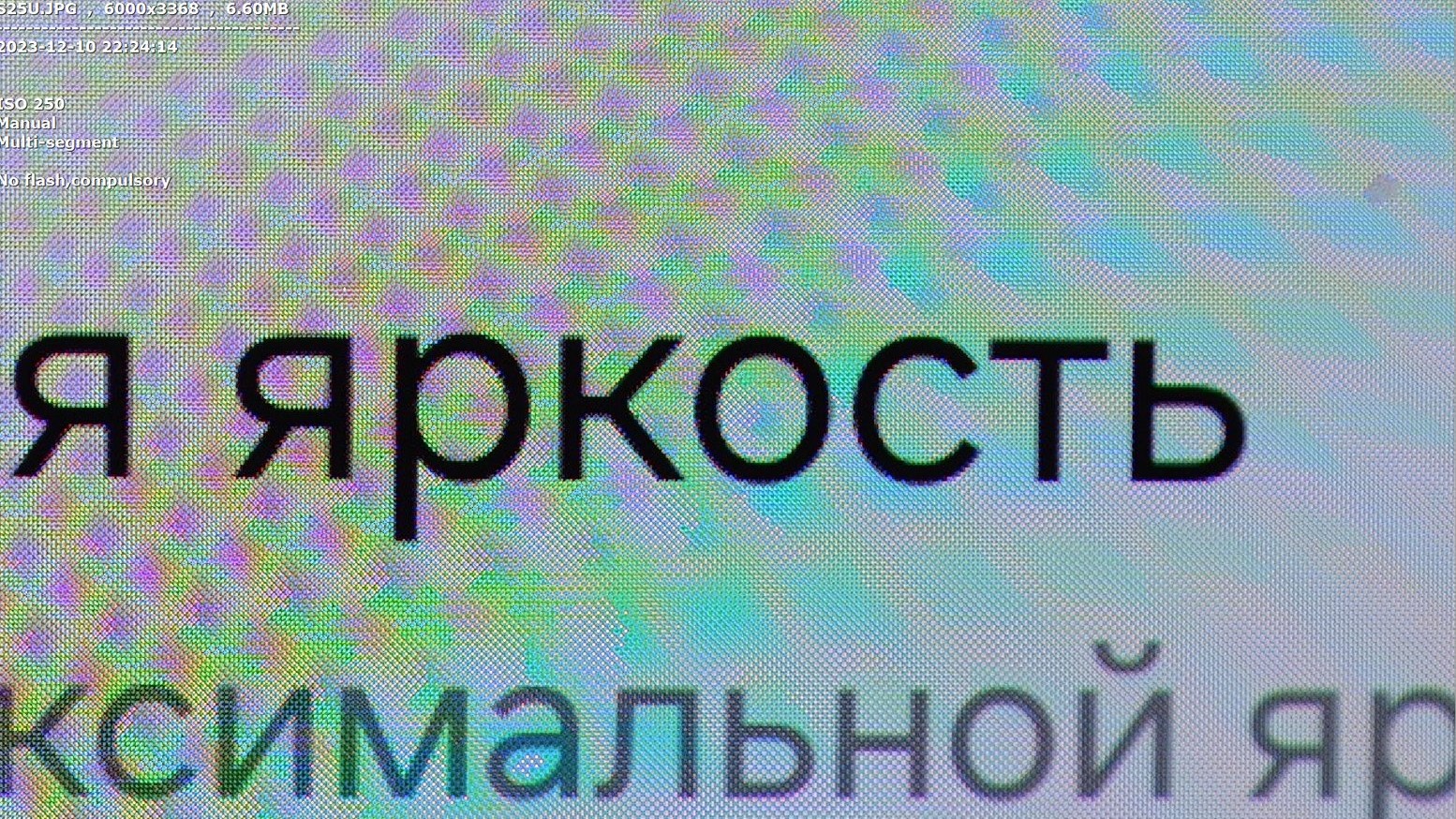
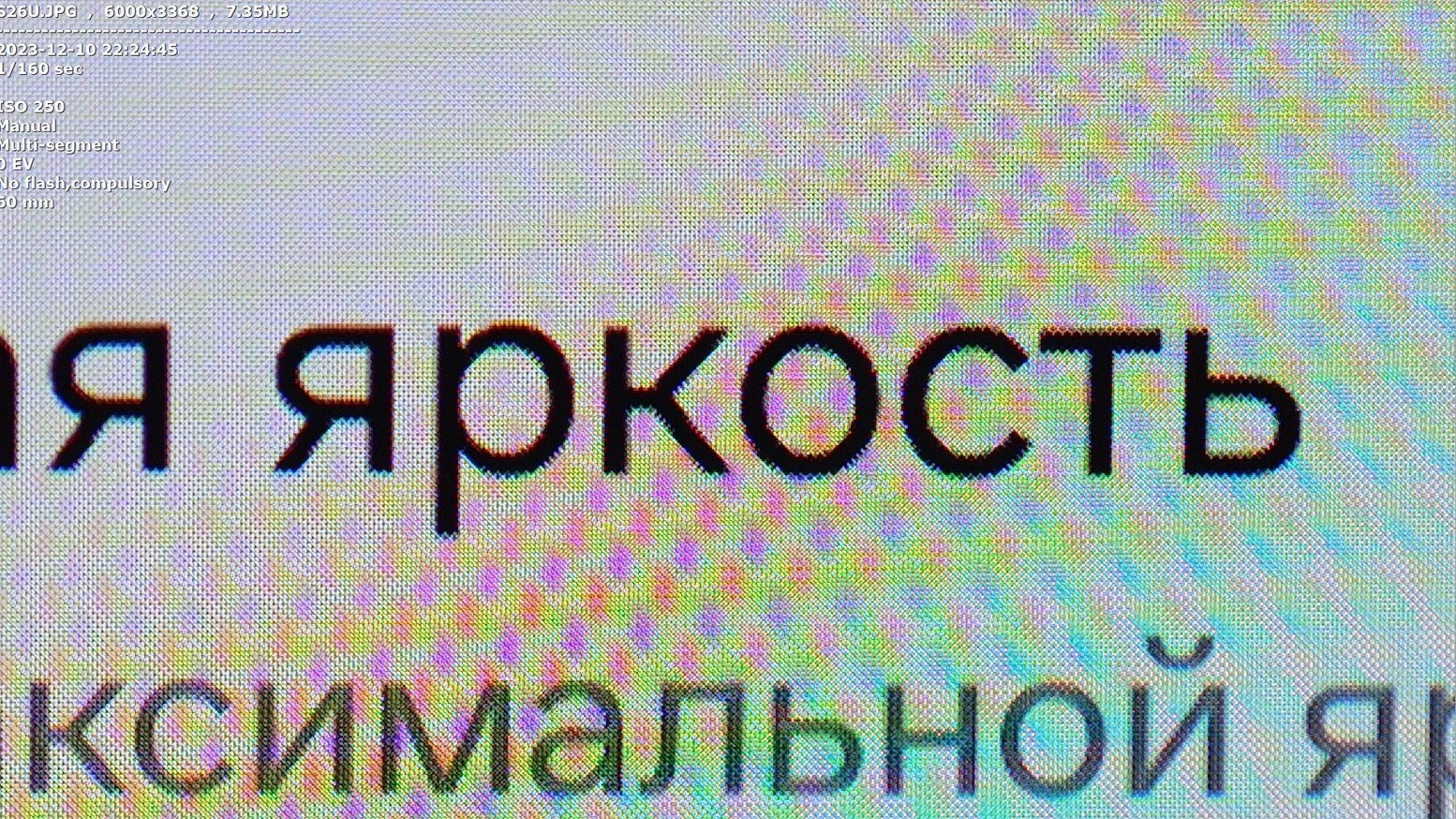
You’ll probably want to click on those to view them larger, and when you do, pay particular attention to the text in each. The larger, black text features noticeably rougher edges bordering it on the S26 Ultra’s screen. And on the smaller text, its gray coloring looks much more consistent on the S25 Ultra, while we see color start to bleed in on the S26 Ultra.
Mind you, this isn’t even looking at the screen from an acute angle. Even head-on, with the Privacy Display not activated (as in the images above), there’s an appreciable decrease in fidelity.¨
Οπως και να εχει, αν δεν το δουμε απο κοντά δεν μπορούμε να βγάλουμε ασφαλές συμπέρασμα.
Last edited by a moderator:
But take a moment to think about that, and you may spot a potential problem — even when Privacy Display isn’t engaged, the viewing angle of those narrow subpixels is still limited. Looking straight at the S26 Ultra, you’d see wide and narrow subpixels alike, but from the side you’d only see wide subpixels. Couldn’t that have a negative impact on image quality?
Νομίζω πως μπορούμε ασφαλώς να απαντήσουμε στον χρήστη του X ως avclub πως όχι, εκτός και εάν αποφασίσει να χρησιμοποιεί το κινητό του από 45 μοίρες γωνία, δεν θα βλέπει διαφορά στη ποιότητα εικόνας.
Εάν ανήκει στο edge case του να χρειάζεται να βλέπει στο κινητό το απόλυτο υπό γωνία, μέχρι πρότινος στα xperia 1 έβαζε η Sony 4k οθόνη για 1:1 reproduction έστω πως το έκανες monitor στη mirrorless. Δεν χρησιμοποιεί κανείς το κινητό εν τέλει για τέτοιες χρήσεις παρότι τα παρουσιάζουν όλοι κατά καιρούς, και από την 4k έβαλαν μια FHD+ στο τελευταίο τους μοντέλο.
Διαβασε την τελευταια προταση του αρθρου σε συναρτηση με τα screenshots. Αν αληθευει, η αναλυση ειναι μειωμενη σε σχεση με το προηγουμενο μοντελο, ανεξαρτητως της ενεργοποιησης του privacy mode.Νομίζω πως μπορούμε ασφαλώς να απαντήσουμε στον χρήστη του X ως avclub πως όχι, εκτός και εάν αποφασίσει να χρησιμοποιεί το κινητό του από 45 μοίρες γωνία, δεν θα βλέπει διαφορά στη ποιότητα εικόνας.
Εάν ανήκει στο edge case του να χρειάζεται να βλέπει στο κινητό το απόλυτο υπό γωνία, μέχρι πρότινος στα xperia 1 έβαζε η Sony 4k οθόνη για 1:1 reproduction έστω πως το έκανες monitor στη mirrorless. Δεν χρησιμοποιεί κανείς το κινητό εν τέλει για τέτοιες χρήσεις παρότι τα παρουσιάζουν όλοι κατά καιρούς, και από την 4k έβαλαν μια FHD+ στο τελευταίο τους μοντέλο.

Διαβασε την τελευταια προταση του αρθρου σε συναρτηση με τα screenshots. Αν αληθευει, η αναλυση ειναι μειωμενη σε σχεση με το προηγουμενο μοντελο, ανεξαρτητως της ενεργοποιησης του privacy mode.
Αν δεν είναι ορατό με γυμνό μάτι σε συνήθεις συνθήκες χρήσης δεν (θα) είναι και πρόβλημα.
Γι'αυτο και εγραψα πως ασφαλες συμπερασμα θα βγαλουμε μονο οταν το δουμε απο κοντα.Αν δεν είναι ορατό με γυμνό μάτι σε συνήθεις συνθήκες χρήσης δεν (θα) είναι και πρόβλημα.
Διαβασε την τελευταια προταση του αρθρου σε συναρτηση με τα screenshots. Αν αληθευει, η αναλυση ειναι μειωμενη σε σχεση με το προηγουμενο μοντελο, ανεξαρτητως της ενεργοποιησης του privacy mode.
Το διάβασα, είδα και τις φωτογραφίες. Προφανώς είναι τραβηγμένες πρόχειρα εφόσον δεν είναι ούτε καν scaled, πιθανολογώ πως τις τράβηξαν με κάμερα κινητού.
Αυτό που φαίνεται στα όρια του text -όπου είναι σωστή η απεικόνηση του λευκού background, οφείλεται στο διαφορετικό sub-pixel layout, και οι δύο είναι σίγουρα pentile. Παλιά υπήρχε η συζήτηση περί RGB vs pentile subpixel layout, τώρα στα 500PPI, που εάν θυμάμαι σωστά είναι και η πυκνότερη της αγοράς αυτή τη στιγμή, δεν υπάρχει περίπτωση να βλέπεις το κόψιμο των subpixel με γυμνό μάτι.
Για κάνα μετρό είναι χρήσιμο να μην παίρνουν μάτι οι διπλανοί.
Θυμήθηκα πριν 10+ χρόνια με ρώταγε και ο γενικός διευθυντής που να βρει τέτοια τζαμάκια για να μην το βλέπουν οι διπλανοί στα διοικητικά συμβούλια.
Προσωπικά ποτέ στην ζωή μου δεν χρειάστηκα τέτοια λειτουργία και μου είναι αδιάφορο τέτοιο feature. Ακόμα και με το τζαμάκι εννοείται ότι πέφτει η φωτεινότητα.
Καμιά μπαταρία 10000 mah δεν μπορούν να βγάλουν οι αργόσχολοι;
Θυμήθηκα πριν 10+ χρόνια με ρώταγε και ο γενικός διευθυντής που να βρει τέτοια τζαμάκια για να μην το βλέπουν οι διπλανοί στα διοικητικά συμβούλια.
Προσωπικά ποτέ στην ζωή μου δεν χρειάστηκα τέτοια λειτουργία και μου είναι αδιάφορο τέτοιο feature. Ακόμα και με το τζαμάκι εννοείται ότι πέφτει η φωτεινότητα.
Καμιά μπαταρία 10000 mah δεν μπορούν να βγάλουν οι αργόσχολοι;


εξυπνότερη και ασφαλέστερη για μένα είναι η πρώτη επιλογήόταν κάνετε νεα αγορά κινητού κάνετε μεταφορά τα πάντα μέσω smart switch η το στήνετε απο την αρχή για samsung γραφώ
Πάντως κρίμα πάντως που ως samsung επιμένεις σε exynos, για το απλό s, οι παλιές αγάπες δεν ξεχνιούνται 
έχω από την δουλειά ένα Α23 5g , αρκετά τίμιο και oneplus 13R, με Snapdragon 8 Gen 3, εάν κάποια στιγμή στο μέλλον θα άλλαζα θα πήγαινα σε AIOS μεταχειρισμένη συσκευή, περισσότερο για αλλαγή σε φιλοσοφία στρατηγική και σκέψη, το δίνεις για μένα κάθε χρόνο ένα χιλιάρικο είναι πλέον πολλά
έχω από την δουλειά ένα Α23 5g , αρκετά τίμιο και oneplus 13R, με Snapdragon 8 Gen 3, εάν κάποια στιγμή στο μέλλον θα άλλαζα θα πήγαινα σε AIOS μεταχειρισμένη συσκευή, περισσότερο για αλλαγή σε φιλοσοφία στρατηγική και σκέψη, το δίνεις για μένα κάθε χρόνο ένα χιλιάρικο είναι πλέον πολλά
Επιβεβαιώνει και ο MKBHD αυτά που γράφτηκαν περί μειωμένης ανάλυσης εξαιτίας των νέων narrow pixels.

Ναι αλλα θα βλέπουμε πριόνια αντι για καμπύλες στο τικτοκ!Αδιάφορο εντελως την ώρα του privacy