

- 29 October 2008
- 9,854
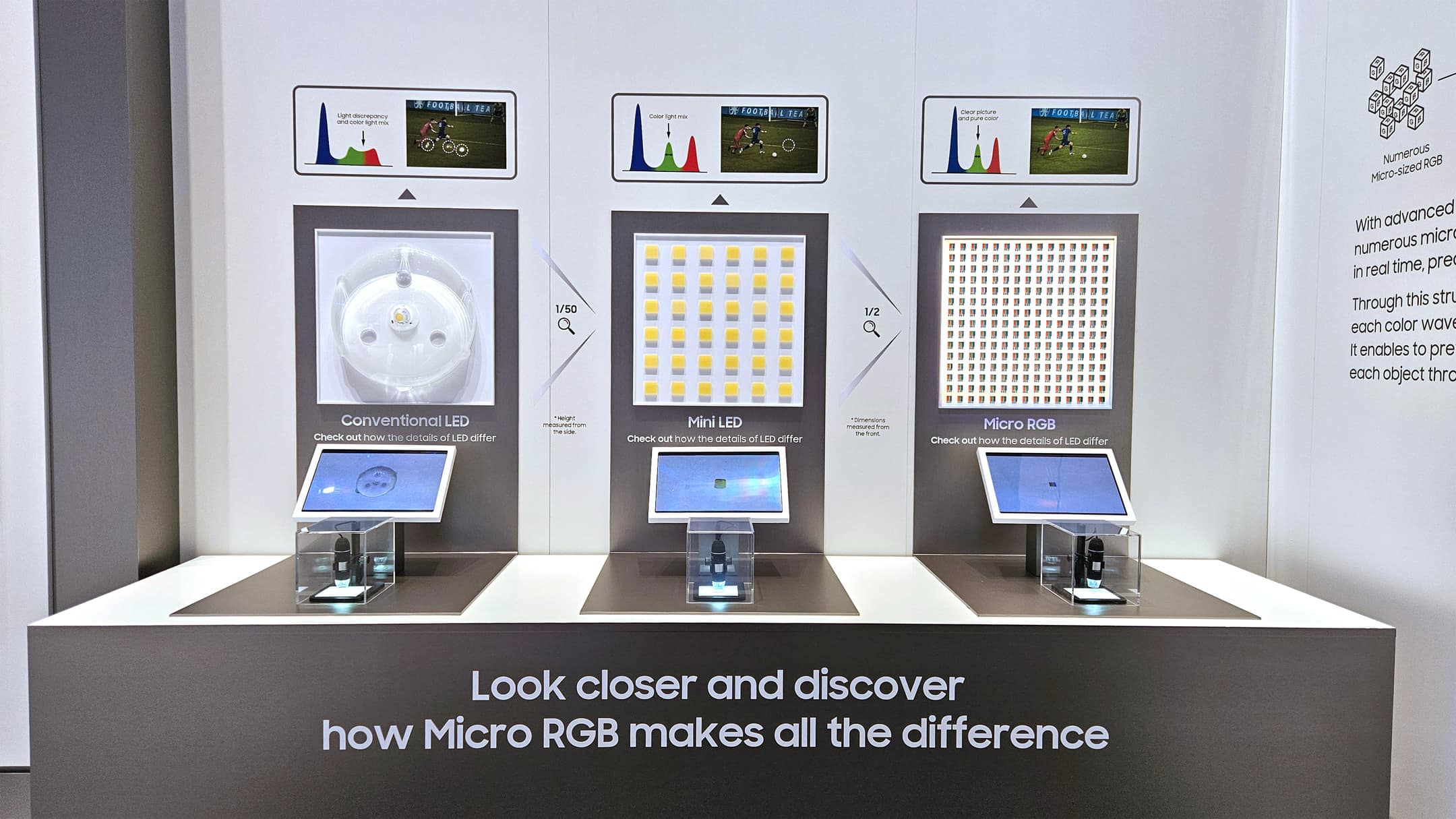
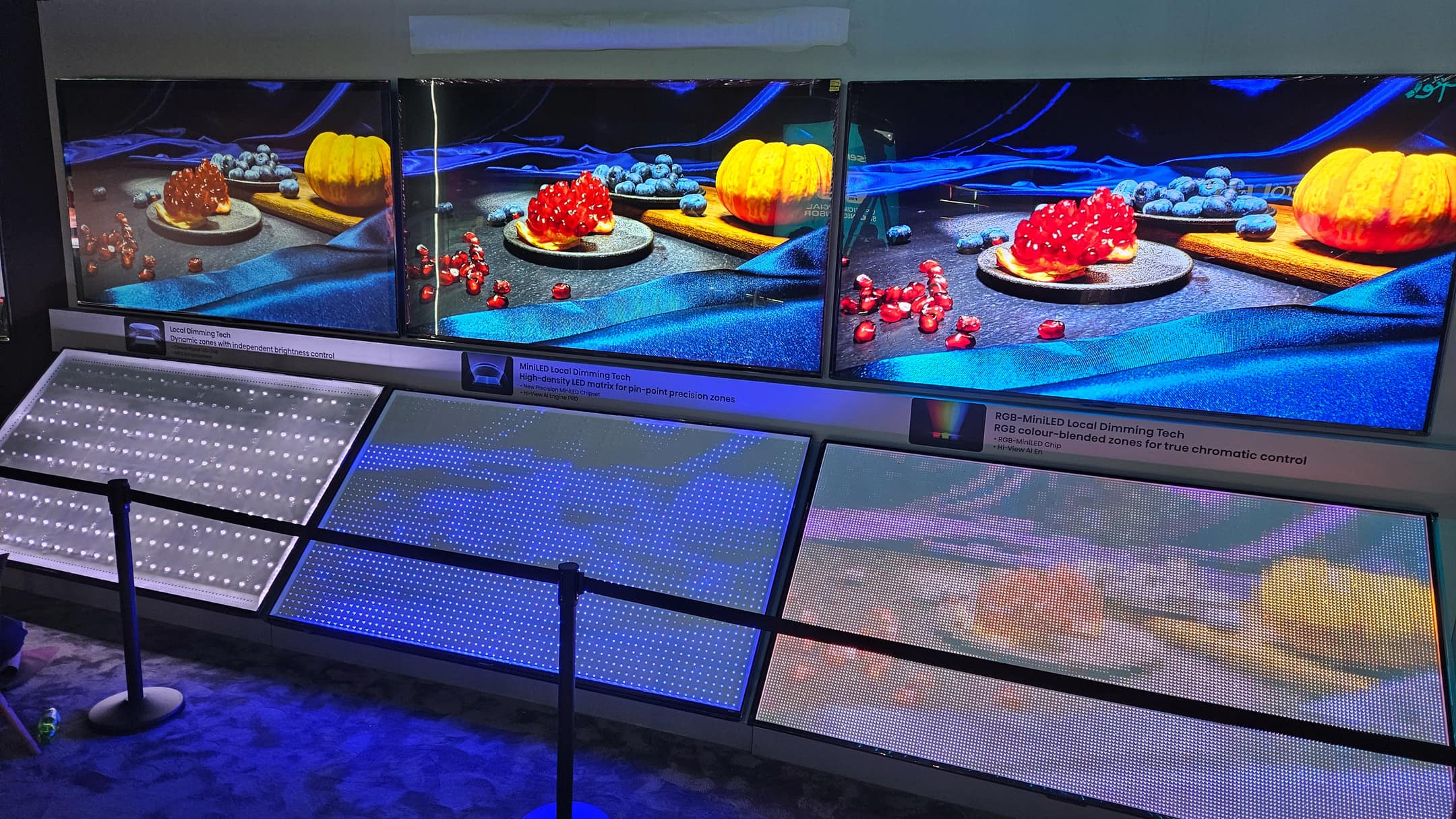
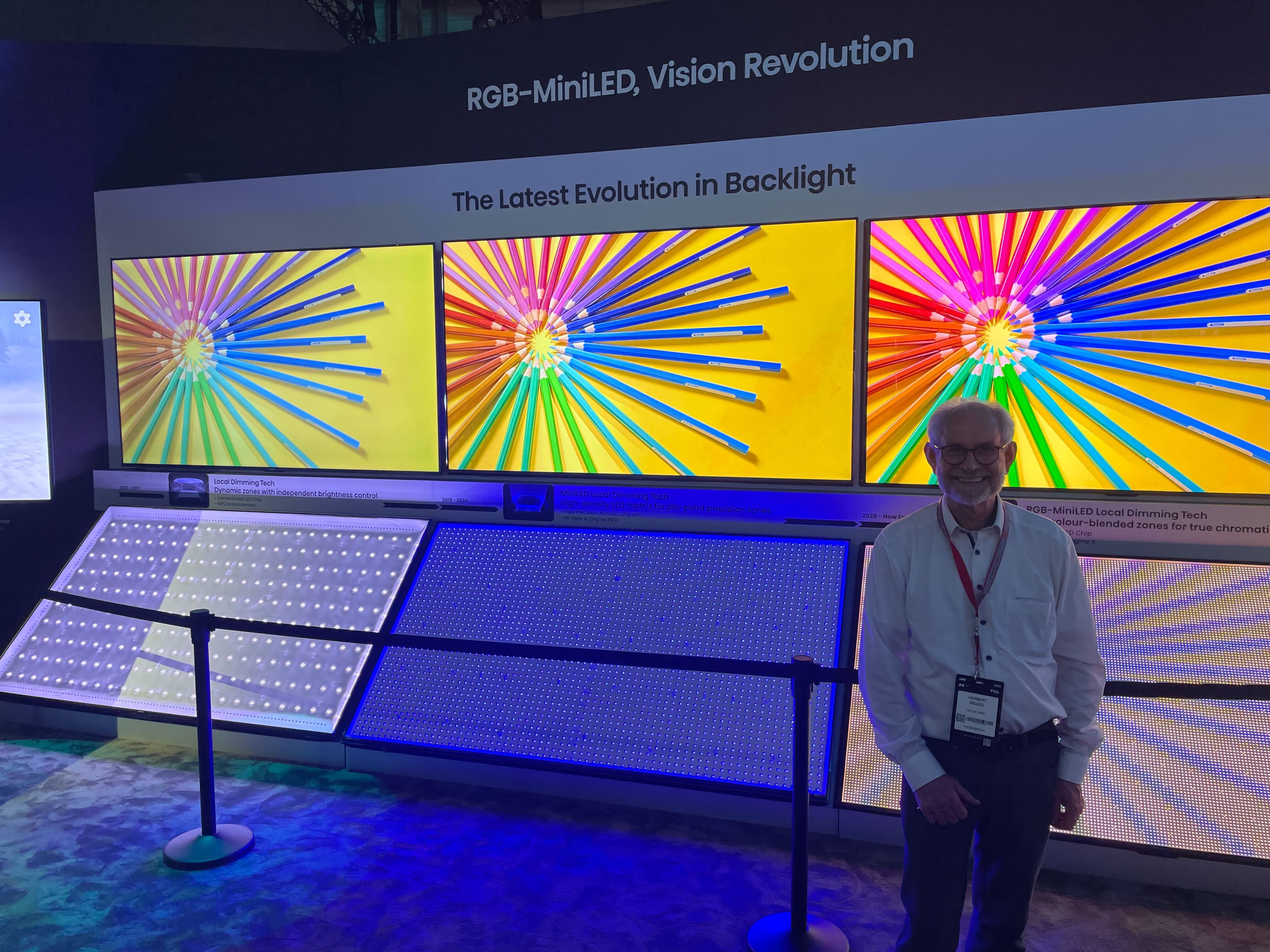
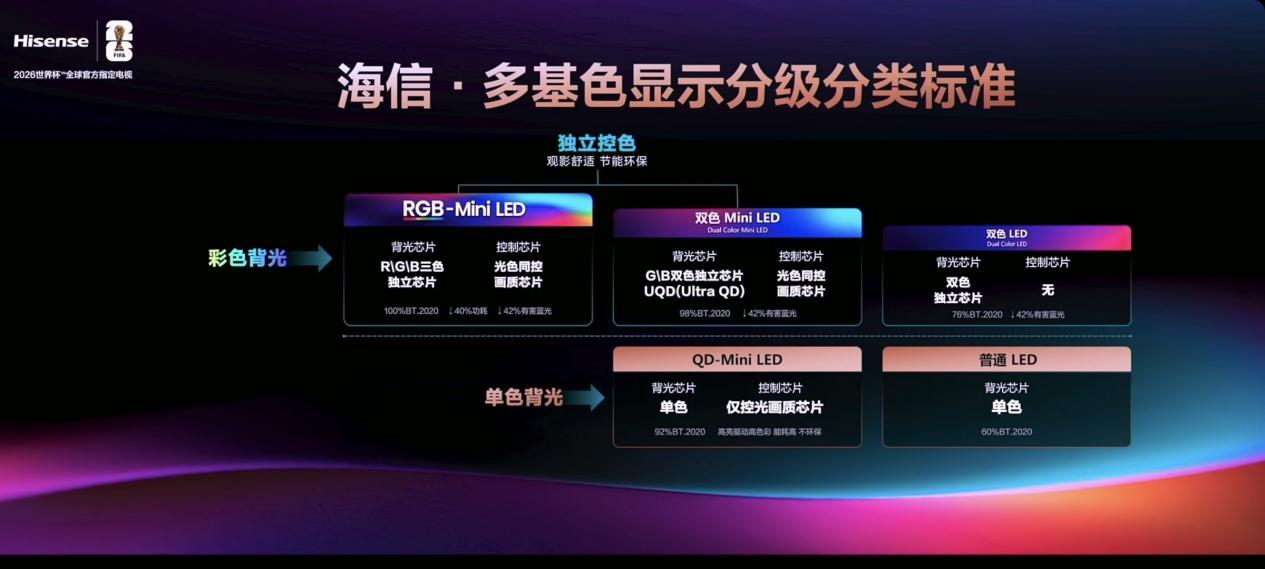
[flatpanelshd.com]...Η Hisense και η Samsung λανσάρουν έναν νέο τύπο τηλεοράσεων LCD με RGB LED...https://www.flatpanelshd.com/news.php?subaction=showfull&id=1755255022
Αγαπητοί φίλοι και φίλες,
Σας προσκαλούμε να γιορτάσουμε μαζί τα 20α γενέθλια του AVclub.
Το Σάββατο 10 Οκτωβρίου, από τις 18:00 θα πραγματοποιήσουμε το πάρτι των γενεθλίων του φόρουμ μας στο Peñarrubia Lounge.
Δηλώστε τη συμμετοχή σας εδώ, θα χαρούμε πολύ να σας δούμε από κοντά.


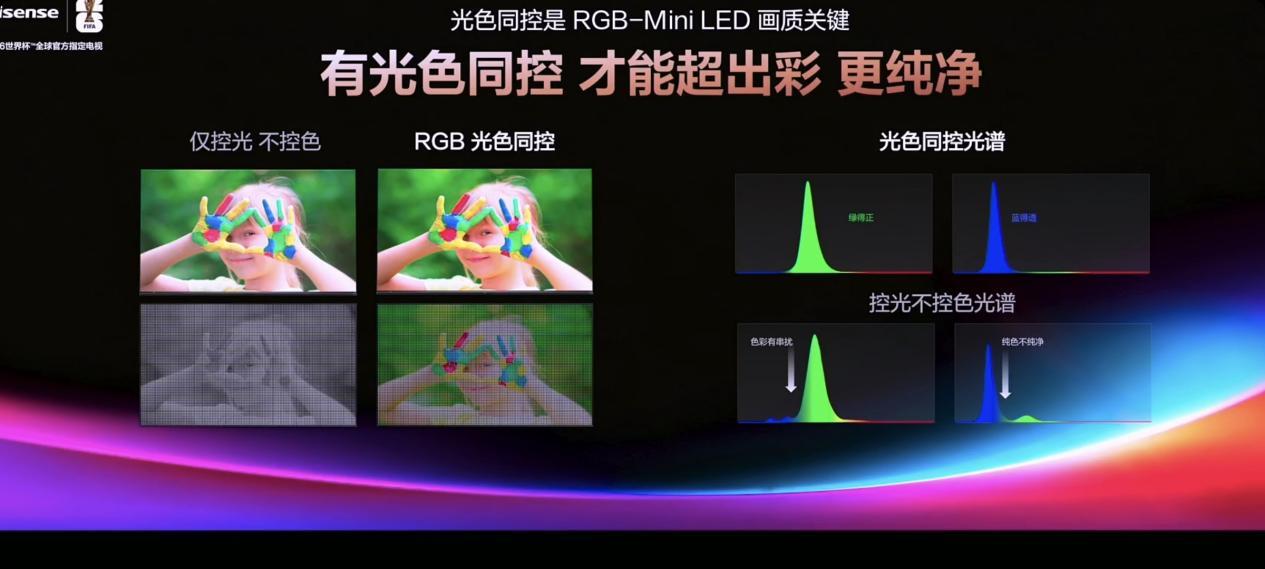


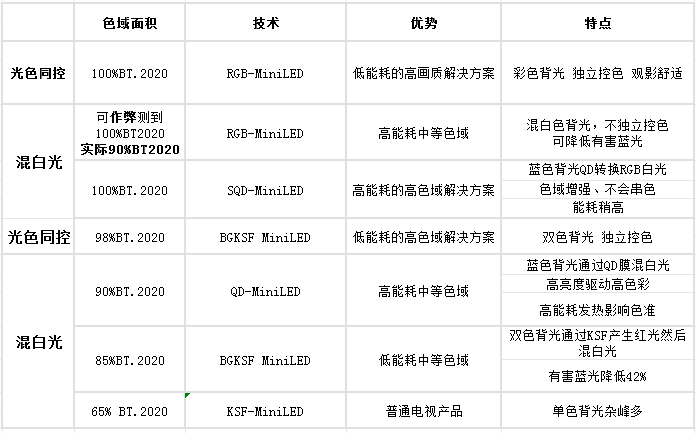

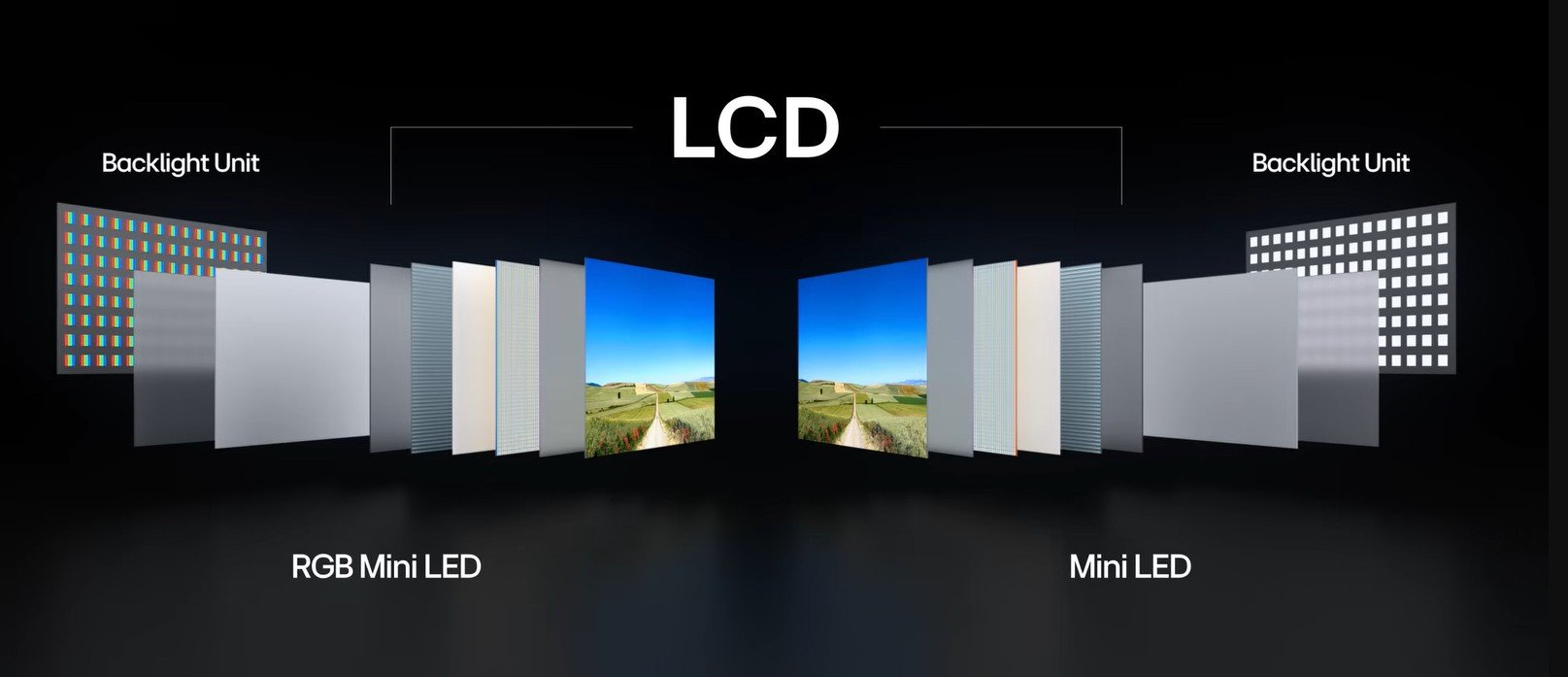


Παρακάτω μαρκετινίστικο βίντεο από την LG Display(LGD) ,που παράγει και πουλάει μόνο WRGB WOLED πάνελ, για το hype - έντονο ενθουσιασμό, προώθηση και υπερβολική διαφήμιση γύρω από το RGB mini LED:
Διευκρίνιση : να μην συγχέονται η LG Display (LGD) που ζεί παράγωντας πάνελ WRGB WOLED και πουλάει σε όλους τους κατασκευστές τηλεοράσεων όπως LG Electronics,Samsung Electronics,Sony,Panasonic,Philips,Toshiba,Hisense και άλλους και άλλο η LG Electronics LGE που κατασκευάζει τηλεοράσεις με πάνελ από διάφορους προμηθευτές όπως η LG Display,CSOT,BOE,Innolux.
[OLED SPACE by LG Display]...RGB Mini LED: The Truth Behind the Hype Series 1/2/3/4
1.Η RGB Mini LED έρχεται με ένα νέο όνομα και ισχυρίζεται ότι είναι πιο προηγμένη από ποτέ.Αλλά στην ουσία της, εξακολουθεί να είναι LCD με τα ίδια όρια οπίσθιου φωτισμού.
RGB Mini LED comes with a new name and claims to be more advanced than ever. But at its core, it's still LCD with the same backlight limits.
RGB mini LED TVs praised for their so-called perfect color and ultra high definition. But behind all the hype, one question remains.
Is it true innovation or just another exaggeration?
Conventional miniLED TVs generate white light by coating blue LEDs with phosphor, then splitting that light into color through a color filter.
RGB miniLED only changes one thing. Instead of blue LEDs, it uses red, green, and blue LEDs together to build the backlight.
On the surface, it may look like an advanced technology, but at its core,it's still just an LCD display, making light in a backlight, passing it through liquid crystals and filtering it into color.
No matter how advanced it gets or how small the LEDs become, it still depends on a backlight.
And that means light leakage, color distortion, and limits OLED never faces.
OLED is fundamentally different.
Each pixel emits its own light. No backlight, no leakage, no compromise, delivering perfect black and true color exactly as promised.
So, while RGB Mini LED may appear new, its foundation remains unchanged.
It's still LCD, just with a different name.
View attachment 263074
View attachment 263075
View attachment 263076
2.Το Color Dimming ακούγεται προηγμένη, αλλά στο πραγματικό περιεχόμενο καταρρέει σε White Dimming και δεν προσφέρει πιο πλούσιο χρώμα.
Color Dimming sounds advanced, but in real content it collapses into White Dimming and fails to deliver richer color.
RGB mini LED claim to offer richer colors than conventional mini LED. But when theory meets reality, does it really deliver? What happens when color dimming can't hold its color?
Let's start with a color reproduction test.
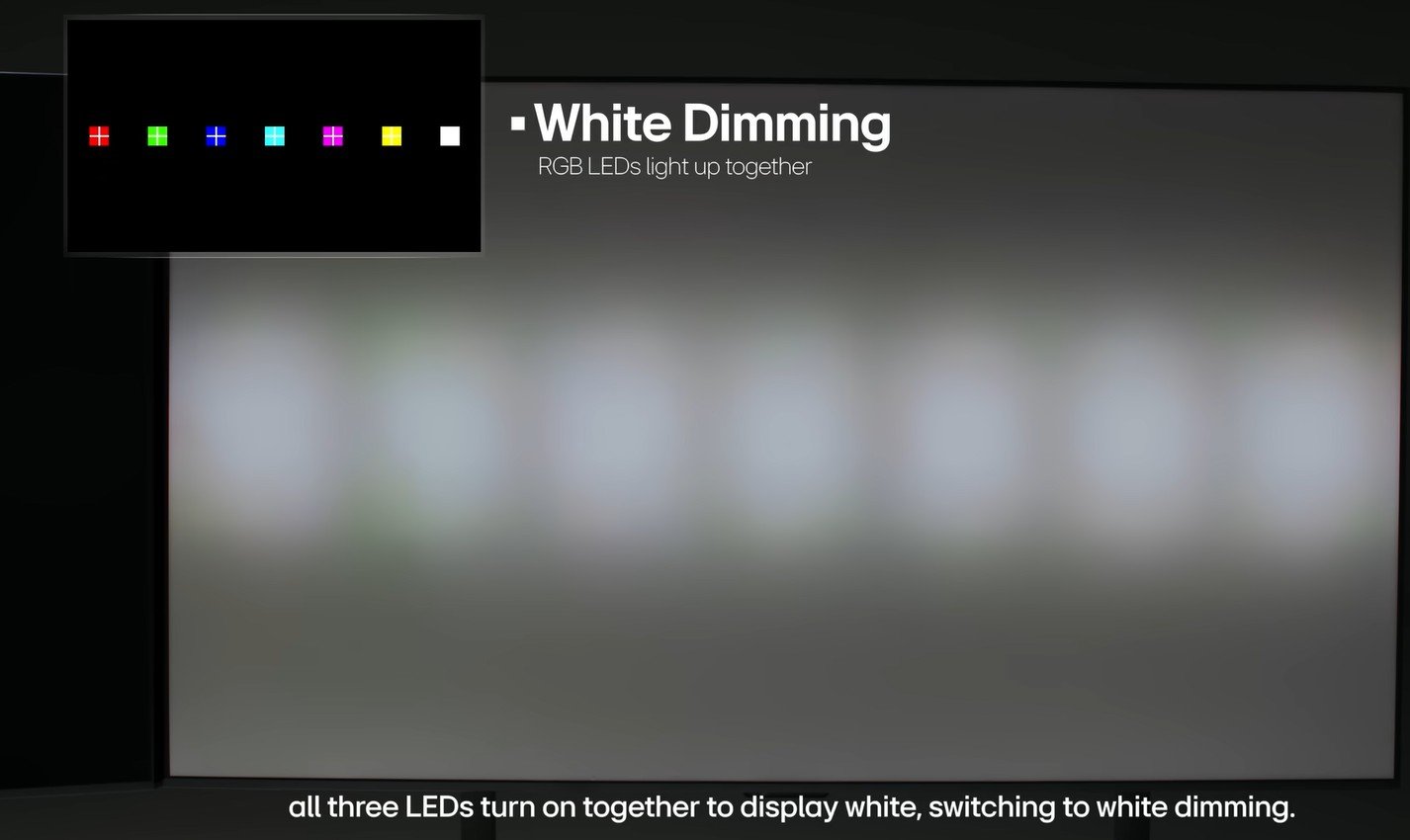
When a white cross is placed over the colored boxes and then removed, do you see how the colors shift? You can clearly see the change in color within each box based on the presence of the
white cross. By covering the cross, the effect becomes easier to notice.
The effect becomes even more obvious once you look at the backlight.
When only the colored boxes are on screen, the LEDs light individually.
This is called color dimming.
But once the white cross appears, all three LEDs turn on together to display white, switching to white dimming.
RGB mini LED TVs are said to drive red, green, and blue LEDs separately to create color dimming and through color filters produce richer, more vivid colors.
But in reality, LCDs can only dim in zones.
Whenever multiple colors appear within the same zone, color dimming collapses, and the system falls back to white dimming, just like any other mini LED TV.
That's why ads and showroom demos often rely on simple images with broad single color areas.
In those idealized scenes, the LEDs can light individually, making it seem as if color dimming is effective.
But in everyday content like news broadcasts, movies, sports, or gaming, complex colors always coexist on screen. And in those situations, the
red, green, and blue LEDs end up lighting together most of the time,forcing the system back into white dimming.
The promise of richer color simply doesn't hold up in everyday use.
It's not innovation. It's the same old LCD limitations dressed up to look new.
View attachment 263077
View attachment 263079
3.Αντί για ακρίβεια, η μείωση της φωτεινότητας των χρωμάτων δημιουργεί χρωματική παρεμβολή, μουτζούρες και παραμόρφωση από τις οποίες δεν υποφέρει ποτέ η OLED.
Instead of precision, Color Dimming creates color crosstalk, color smear, and distortion that OLED never suffers from.
Color dimming promising as a breakthrough in color precision. But in real world scenes, those promises start to blur.
Now, let's look at the fatal weakness of color dimming.
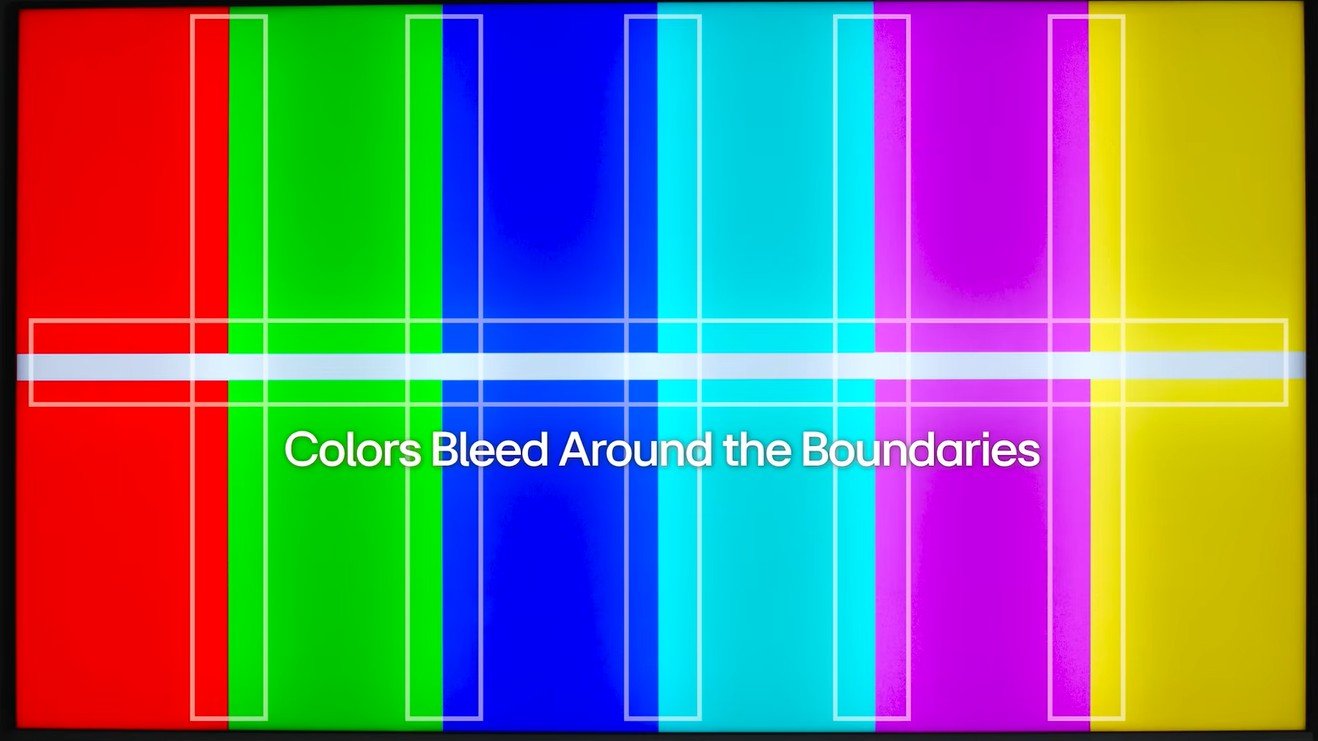
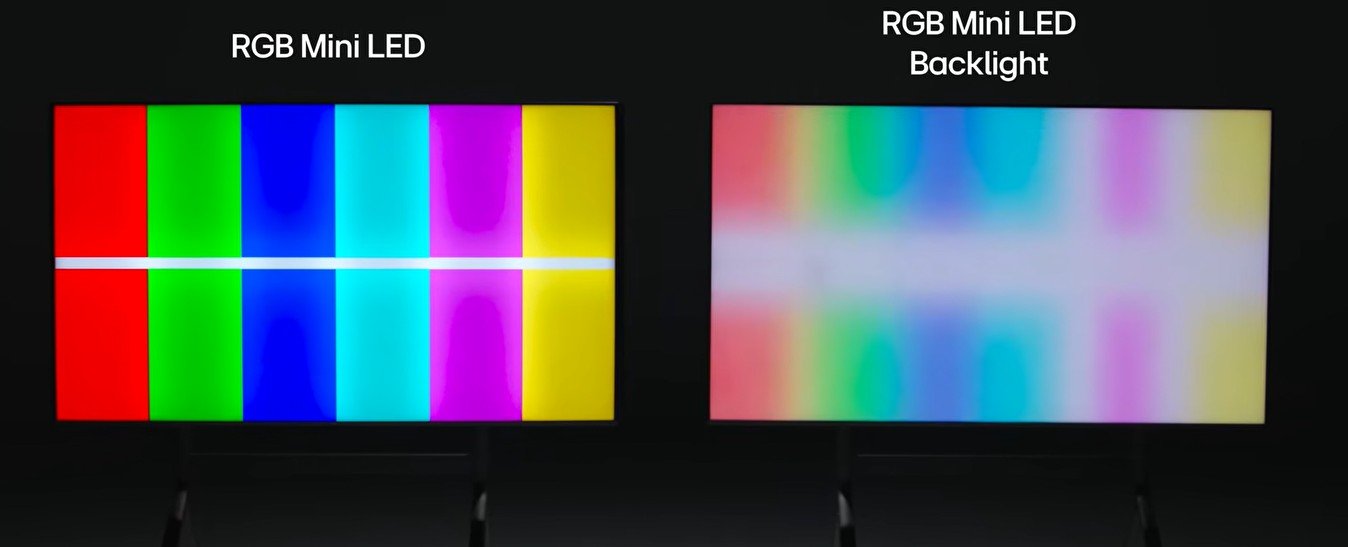
We arrange the color boxes seamlessly, and at the boundaries, you can already see the colors mixing and shifting.
Side by side with the backlight, the issue is even clearer.Different dimming zones bleed into each other.
Once that mixed light passes through the filter, the colors inside no longer match the edges.
This is called color cross talk.
The unwanted bleeding of light between color channels. The effect is noticeable even in everyday viewing. As background colors bleed into skin tones, they alter them unnaturally, reducing color accuracy.
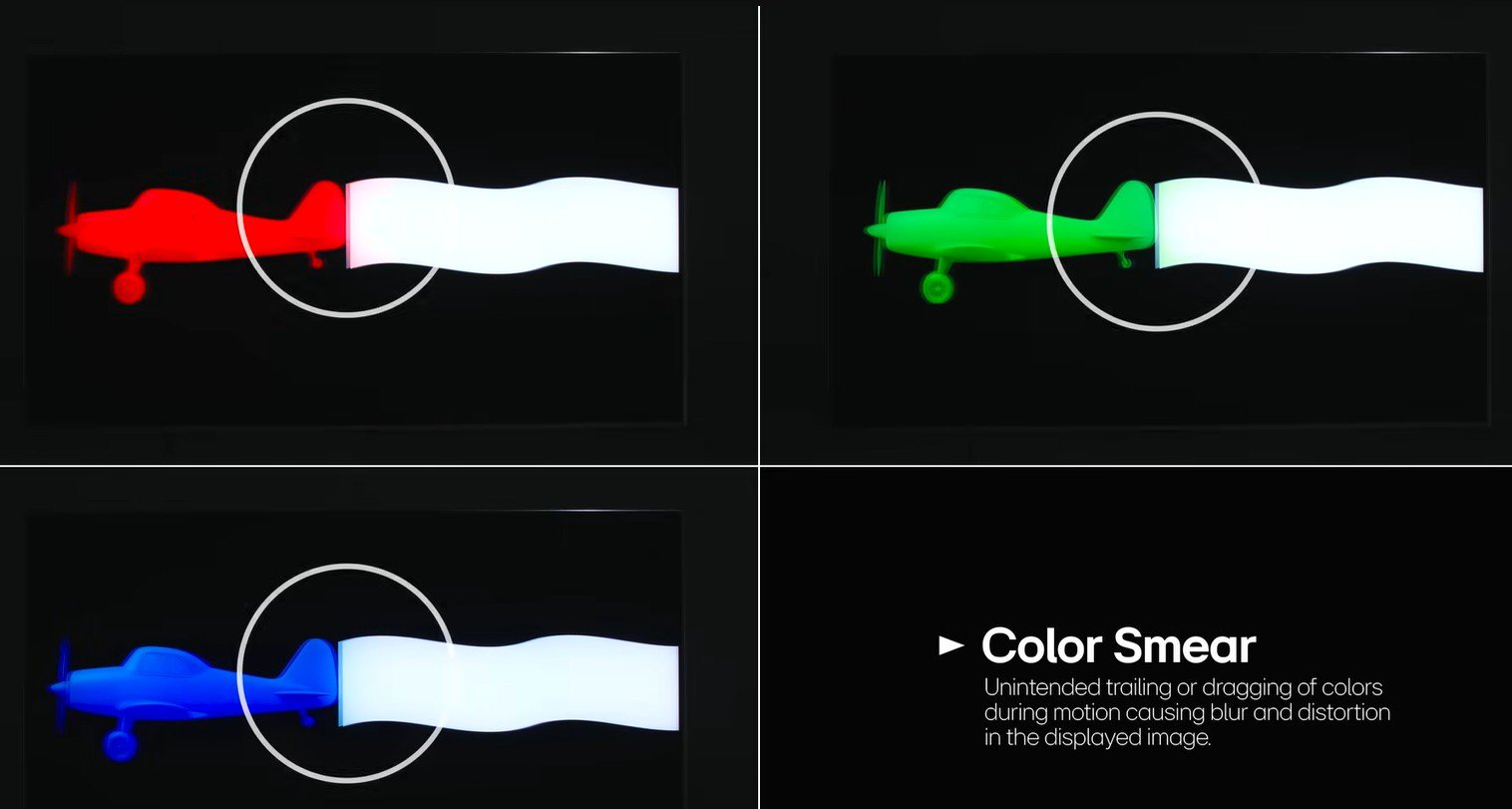
Now look at the red airplane on screen. The white banner trailing behind it is tinted by the red light. The same effect happens with green and blue.
This is known as color smear when white areas are contaminated by nearby colored light as color dimming and white dimming overlap.
So what's advertised as delivering richer color in reality creates new distortion and contamination that OLED never suffers from.
View attachment 263080
View attachment 263081
View attachment 263082
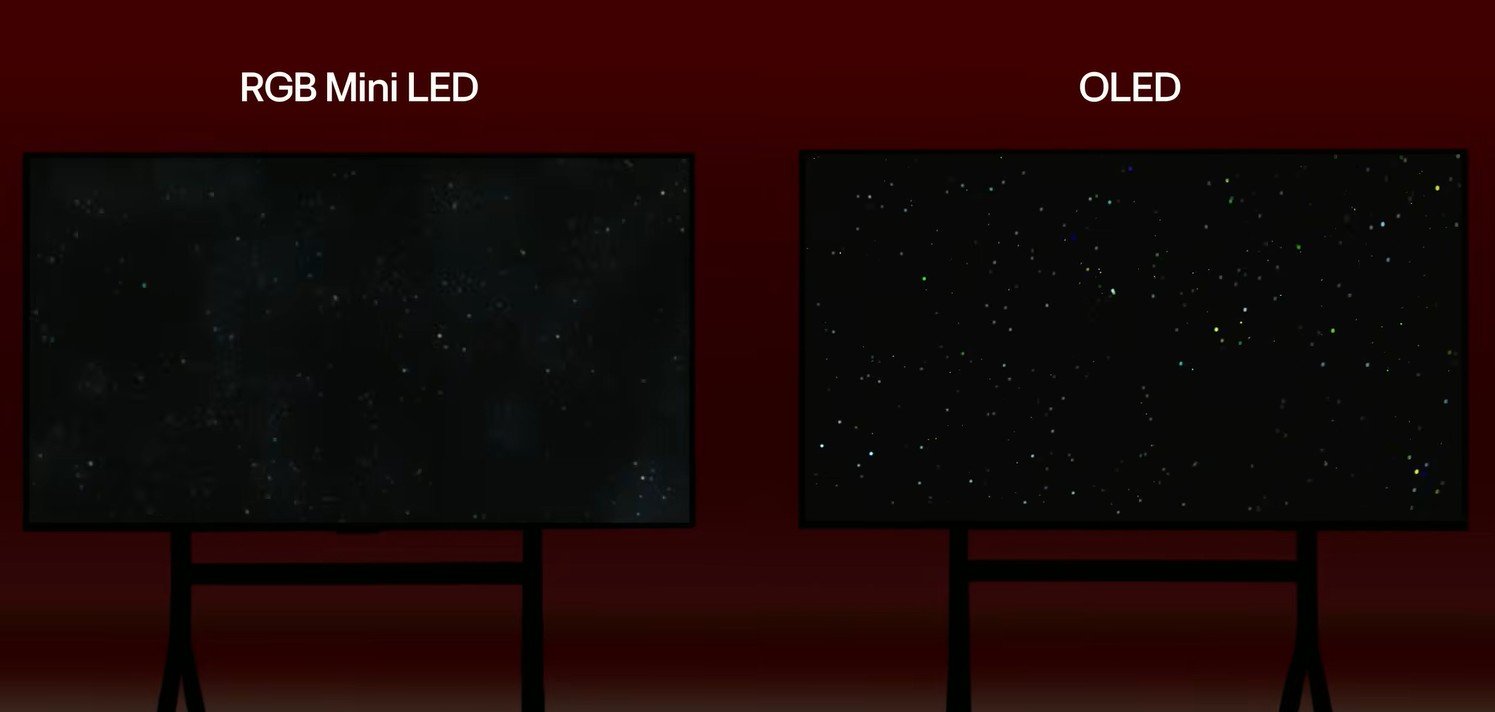
4.Ένας οπίσθιος φωτισμός δεν μπορεί να ελέγξει το φως στην εντέλεια - φωτοστέφανο, διαρροή και το μπλε χρώμα εκθέτουν τα δομικά όρια των οθονών LCD.
A backlight cannot control light with perfection - halo, leakage, and blue expose the structural limits of LCD-based displays.
Precision light control, absolute clarity.
These are the claims we keep hearing from LCD based displays. But can a backlight truly control light with perfection?
RGB miniLED like miniLED and LCD still carries the same fundamental limitation.
Let's take a closer look on OLED.
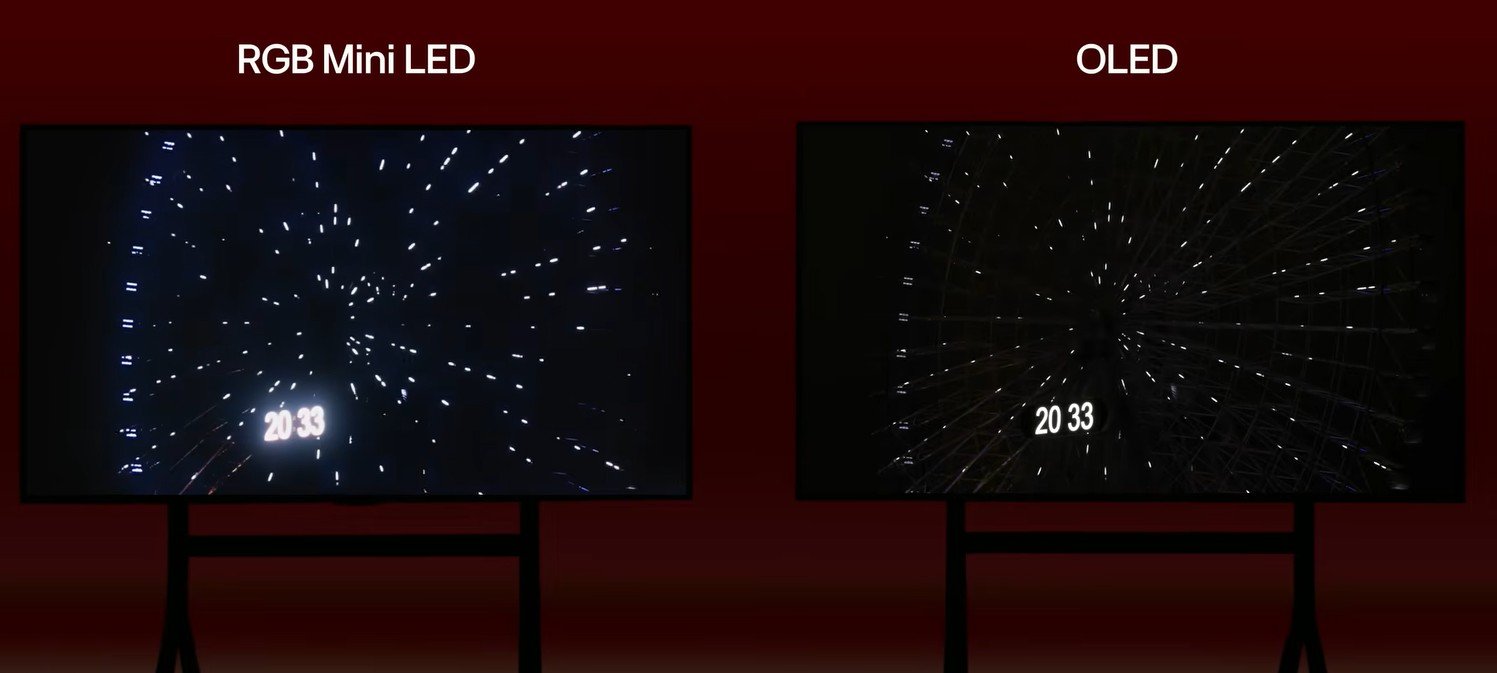
Even the tiniest points of light remain sharp and distinct,delivering clear contrast.
But on the RGB mini LED, each light source is surrounded by a cloudy glow, what's known as a halo effect.
In the second scene, OLED cleanly separates light from dark backgrounds with crisp boundaries.
On the RGB miniLED, however, the light leaks outward,blurring the edges and making the night sky look hazy instead of deep black.
Why does this happen?
Because LCD based panels control light in group zones through local dimming to display a small highlight, an entire block of the backlight has to turn on, causing the light to spill outside the intended area.
As a result, boundaries that should be sharp and precise appear blurred and washed out.
In contrast, OLED controls light pixel by pixel, keeping every detail sharp and true.
Now, let's compare the numbers printed on each freight car of a moving train.
On OLED, the numbers remain sharp and easy to read, but on the RGB mini LED,the numbers blur and leave a trailing after image.
With professional measuring equipment,the results are undeniable. Switching between checkerboard patterns shows OLED responding instantly with each signal input, while the LCD lags, creating motion blur.
We've seen the truth. Behind the flashy ads and new labels, RGB mini LED is just LCD at its core. The limits haven't changed. And when it comes to a display that delivers on every promise, only OLED stands apart.
View attachment 263083
We use essential cookies to make this site work, and optional cookies to enhance your experience.
