

Φακοί Nikon Ζ mount
- Thread starter Kosh
- Start date
You are using an out of date browser. It may not display this or other websites correctly.
You should upgrade or use an alternative browser.
You should upgrade or use an alternative browser.
NIKKOR Z 70-200mm f/2.8 VR S II | First look of our next-gen pro telephoto zoom lens

Nikon Europe

Nikon 70-200mm f/2.8 VR S II Hands-On First Impressions: Wolf in Sheep's Clothing
We took the latest Nikon 70-200mm f/2.8 S II lens for a spin, photographing rare wolfdogs in a natural-looking environment.

The Nikon Z 70-200mm f/2.8 VR S II Is Faster, Sharper, and Way Lighter
Described as the "lightest in its class," the company says it delivers improved optical performance and faster focusing.
Last edited:


Απίστευτο κομμάτι, αλλά έχει 40.000 κορώνες (ήτοι 3800 ευρά).
Αυτές είναι τιμές εξωπραγματικές να πω την αλήθεια.
Από την άλλη, ήδη ο Mk.1 είναι στα 1400€ μεταχειρισμένος από ιδιώτη.
Φαντάζομαι ότι θα πέσει και άλλο από ιδιώτες και στα 1400-1500€ από μαγαζιά με εξάμηνη εγγύηση.
Καλή εναλλακτική για τον τελευταίο F mount που όλως περιέργως είναι ακόμη στα 1200-1400€.
Αυτές είναι τιμές εξωπραγματικές να πω την αλήθεια.
Από την άλλη, ήδη ο Mk.1 είναι στα 1400€ μεταχειρισμένος από ιδιώτη.
Φαντάζομαι ότι θα πέσει και άλλο από ιδιώτες και στα 1400-1500€ από μαγαζιά με εξάμηνη εγγύηση.
Καλή εναλλακτική για τον τελευταίο F mount που όλως περιέργως είναι ακόμη στα 1200-1400€.
Nikon 70-200mm f2.8 II Portrait Photography Review
Julia TrottiNikon Z 70-200 f/2.8 S II vs V1: Worth the Upgrade?
Bobby Tonelli
Ο Ian Wegener παρουσιάζει αναλυτικά τον νέο φακό Nikkor Z 70-200mm f/2.8 VR S II.
- Ζυγίζει κάτω από 1 κιλό, 25% ελαφρύτερος από την προηγούμενη έκδοση.
- Arca-Swiss απευθείας στο collar foot του φακού. Μπορεί να μπει απευθείας σε τρίποδο χωρίς να χρειάζεται έξτρα πλακέτα.
- Έχει εσωτερικό ζουμ , διαθέτει έναν νέο διακόπτη "Click" για το δαχτυλίδι ελέγχου.
- Η ελάχιστη απόσταση εστίασης μειώθηκε στα 80 εκατοστά (από 1 μέτρο στον παλιό).
- Ο φακός συνεργάζεται με τηλεμετατροπείς. Με τον 1.4x (στο f/4) και τον 2x (στα 400mm, f/5.6), η εικόνα παραμένει λεπτομερής.
- Το σύστημα σταθεροποίησης εικόνας (VR) είναι ίσως το καλύτερο που έχει δοκιμάσει. Η εικόνα στο σκόπευτρο παραμένει ακίνητη.
- Η αυτόματη εστίαση είναι εξαιρετικά γρήγορη και κλειδώνει στο θέμα, ακόμα και σε συνθήκες χαμηλού φωτισμού. Μόνο με τη χρήση του 2x τηλεμετατροπέα υπήρξαν ελάχιστες στιγμές που η εστίαση δυσκολεύτηκε ελαφρώς, αλλά παρέμεινε πολύ αξιόπιστη.
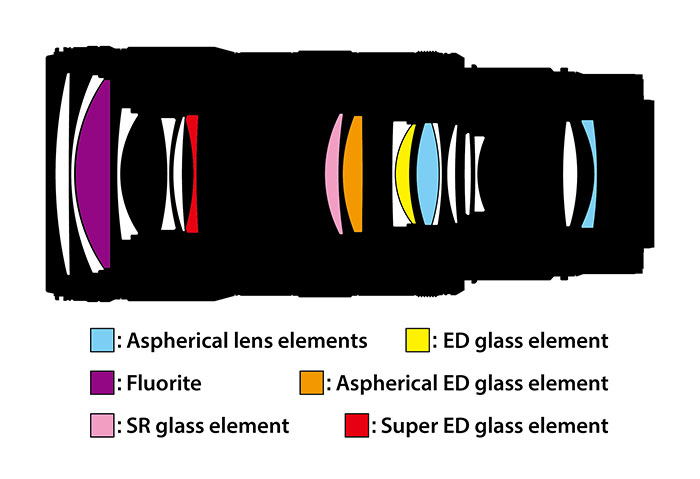
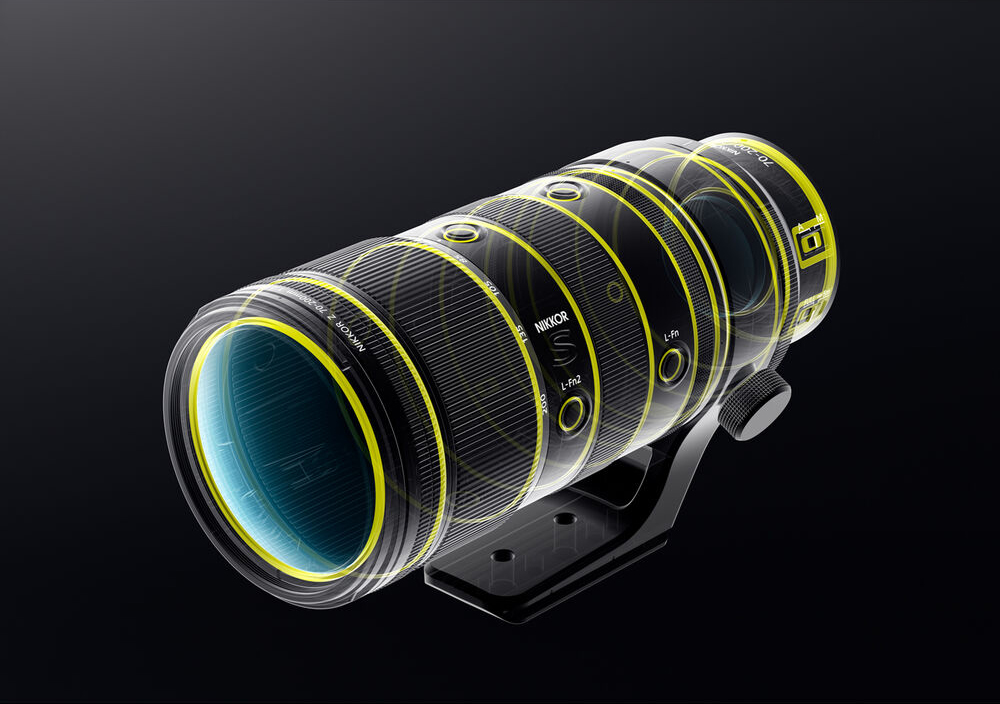
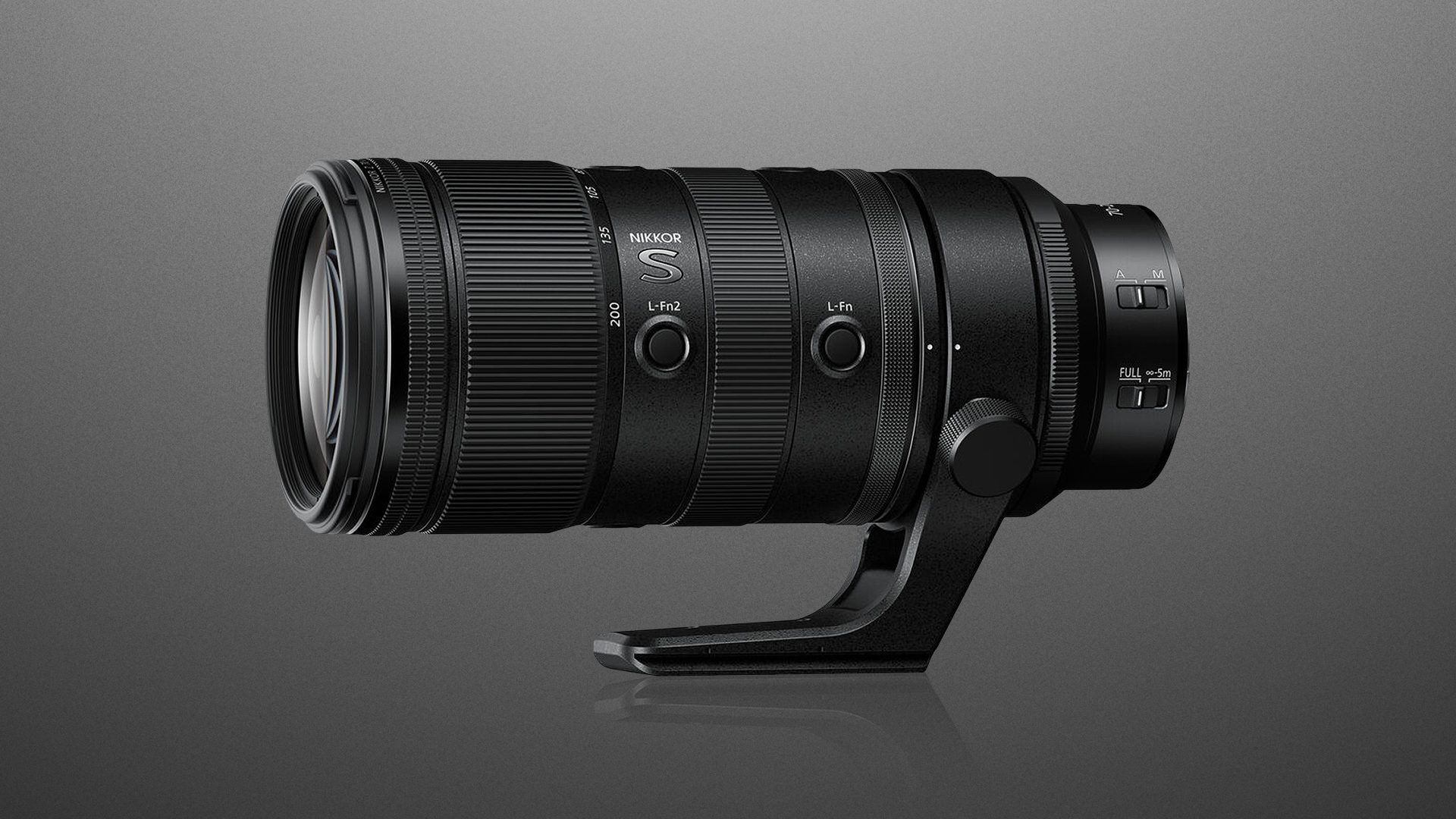
Nikon NIKKOR Z 70-200mm f/2.8 VR S II Lens Introduced – Lighter, Shorter, and Faster | CineD
Compared to the first generation, the new Nikon NIKKOR Z 70-200mm f/2.8 VR S II improves in every aspect, being lighter, shoter, and faster.
 www.cined.com
Nikkor 24-120mm F4 S Review | The Best F4 Standard Zoom?
Dustin Abbott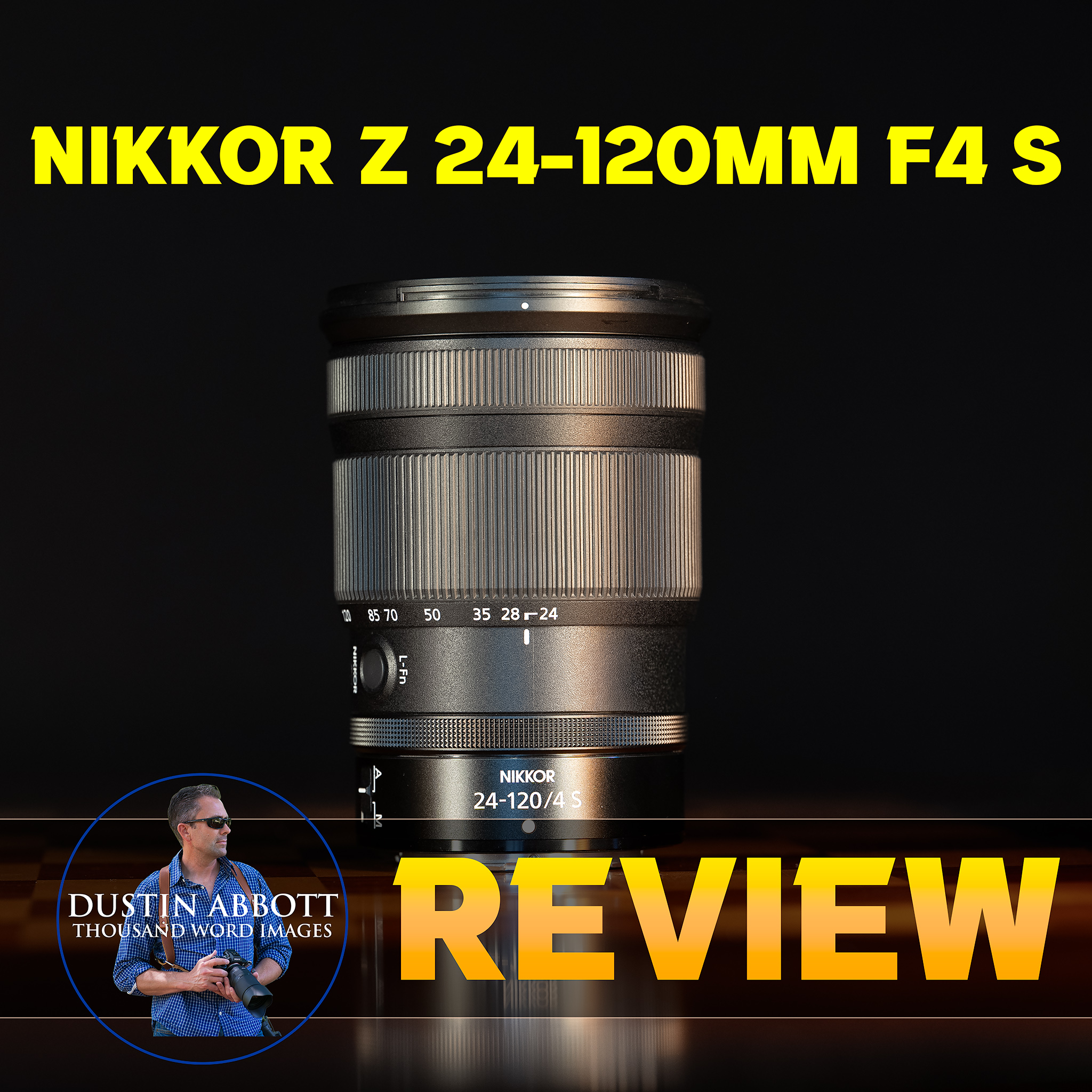
Nikkor Z 24-120mm F4 S Review - DustinAbbott.net
Photographer Dustin Abbott shares an in-depth review of the versatile Nikkor Z 24-120mm S-line zoom lens for Nikon Z mirrorless
 dustinabbott.net
Strengths:
- Versatile 5x zoom range with strong image quality.
- Excellent autofocus performance for both stills and video.
- Compact and lightweight design compared to competitors.
- Reasonably priced for a premium lens.
- Lacks built-in Vibration Reduction (VR), which may limit performance for some users.
- Some corner sharpness issues, particularly at wider apertures.
- Autofocus switch placement may be inconvenient on some camera bodies.
Features
- Full-Frame | f/4 to f/22
- Wide-Angle to Telephoto Zoom
- Multi-Focus Stepping Motor AF System
- Programmable Control Ring & L.Fn Button
- ED and Aspherical Elements
- ARNEO and Nano Crystal Coatings
- Weather-Sealed Design, Fluorine Coating
- Rounded 9-Blade Diaphragm
Pros:
- Versatile Zoom Range: The 24-120mm focal length provides excellent flexibility, covering both wide-angle and telephoto needs, which is beneficial for various types of photography such as landscapes, portraits, and events.
- Strong Image Quality: Delivers impressive sharpness throughout the zoom range, with particularly good performance at 24mm and 120mm, ensuring high-quality images across diverse shooting scenarios.
- Constant Maximum Aperture: Maintains an f/4 aperture throughout the zoom range, allowing for consistent exposure settings and depth of field control without the need to adjust settings while zooming.
- Excellent Autofocus Performance: Equipped with a dual stepping motor system for fast, quiet, and smooth autofocus, making it suitable for both still photography and video recording.
- Close Focus Capability: The lens has a minimum focus distance of 35cm, enabling unique close-ups and macro-like shots that add depth to portraits and creative photography.
- Compact and Lightweight Design: Weighing 630g (1.4 lbs), it is relatively lighter than competitors while providing extra reach, enhancing portability for travelers and outdoor shooters.
- Weather-Sealed Construction: Built with multiple seals and a fluorine coating, adding durability and protection against dust and moisture, which is essential for outdoor use.
- Customizable Control Ring: A programmable control ring allows photographers to tailor their adjustments for added convenience during shoots.
- Low Focus Breathing: Particularly beneficial for video work, ensuring smooth focus transitions without noticeable jumps or shifts.
- Value for Money: Priced competitively compared to similar lenses from other brands, offering high performance at a relatively lower cost.
Cons:
- Lack of Built-in Vibration Reduction (VR): The absence of lens-based stabilization might hinder performance for users on cameras without in-body stabilization, particularly in low-light conditions.
- Corner Sharpness Issues: While overall sharpness is good, there can be noticeable drop-offs in sharpness at the extreme corners, especially at wider apertures, which might affect composition for certain images.
- Autofocus Switch Placement: The positioning of the autofocus/mode switch can be awkward when mounted on some camera bodies, potentially leading to a less ergonomic user experience.
- Dependence on Electronic Corrections: Vignette and distortion corrections are applied automatically, limiting user control over these aspects in RAW images, which may be a disadvantage for advanced photographers preferring manual correction.
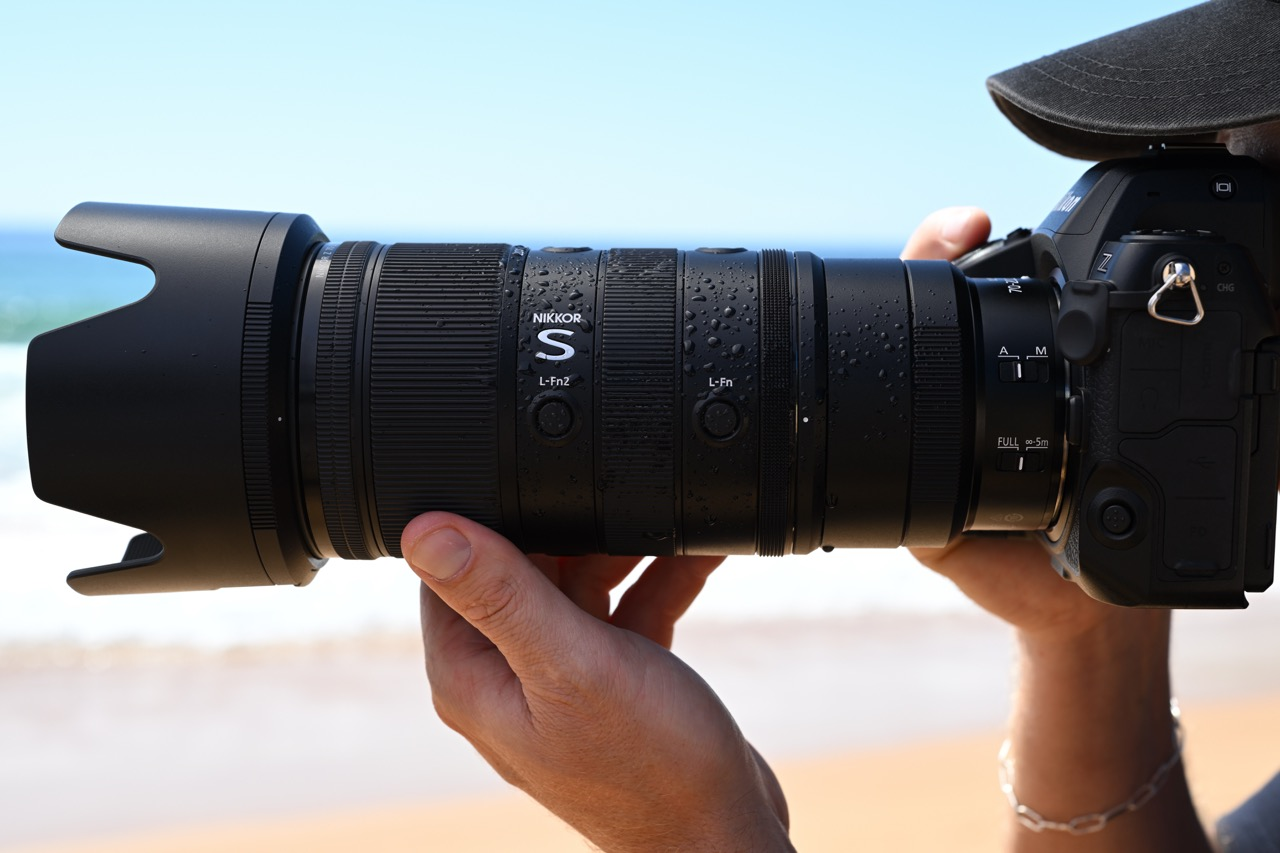
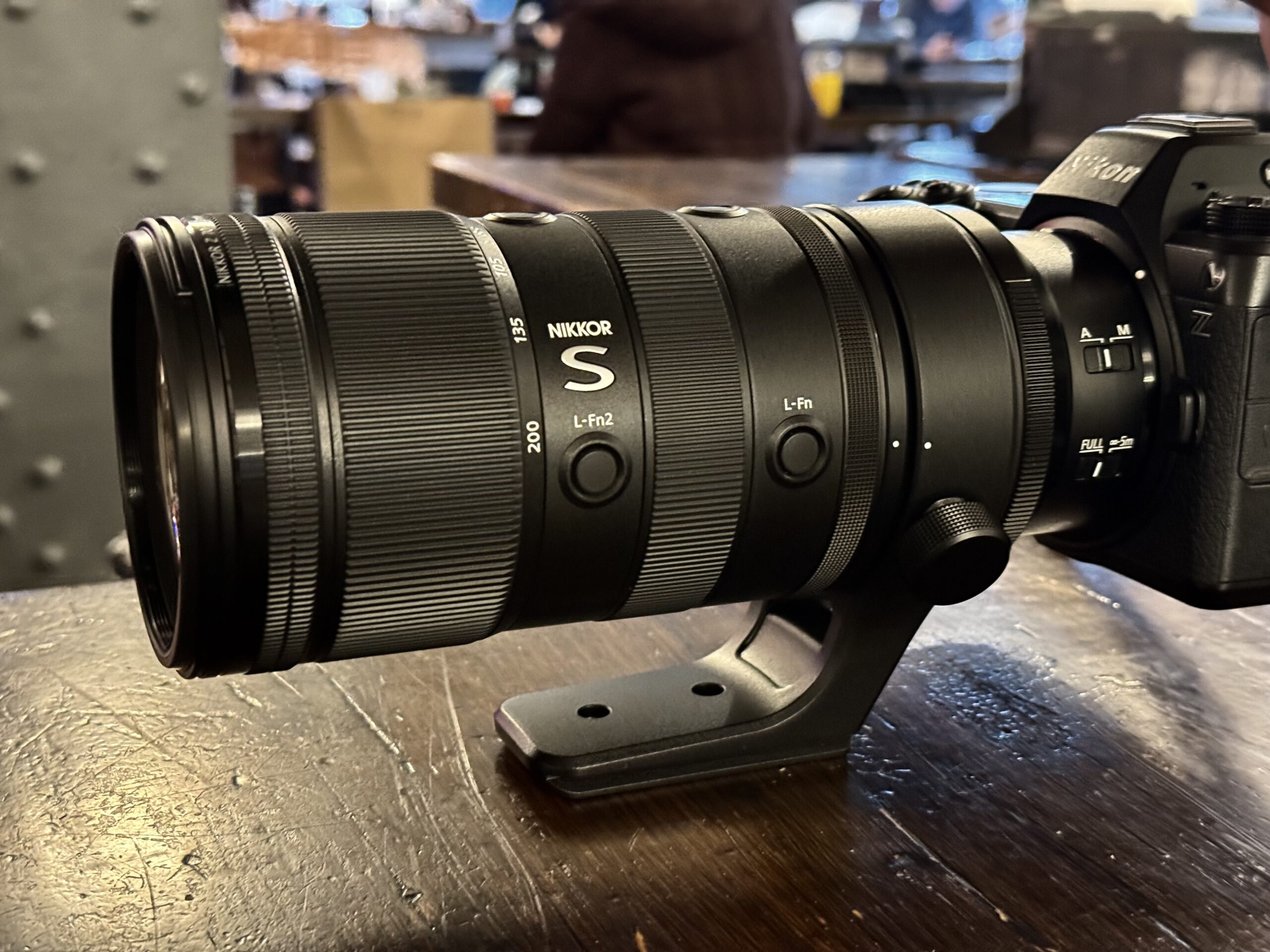
Noticeably Ligther: Hands On Preview of the new NIKKOR Z 70-200MM F/2.8 VR S II LENS - Imaging Resource
Nikon’s new NIKKOR Z 70-200mm F/2.8 VR S II lens is a big update to its flagship 70-200mm lens, but it’s also a light(er) update. The new lens will be available in March, and can be preordered now. I had the opportunity to test the new lens for several hours with Nikon in New York […]
 www.imaging-resource.com

stratigos24
AVClub Enthusiast
Μετα τον Plena ηρθε ο αγαπημενος φακος του Billy ( το τελος της διαδρομης oμως για 50αρη )
 dustinabbott.net
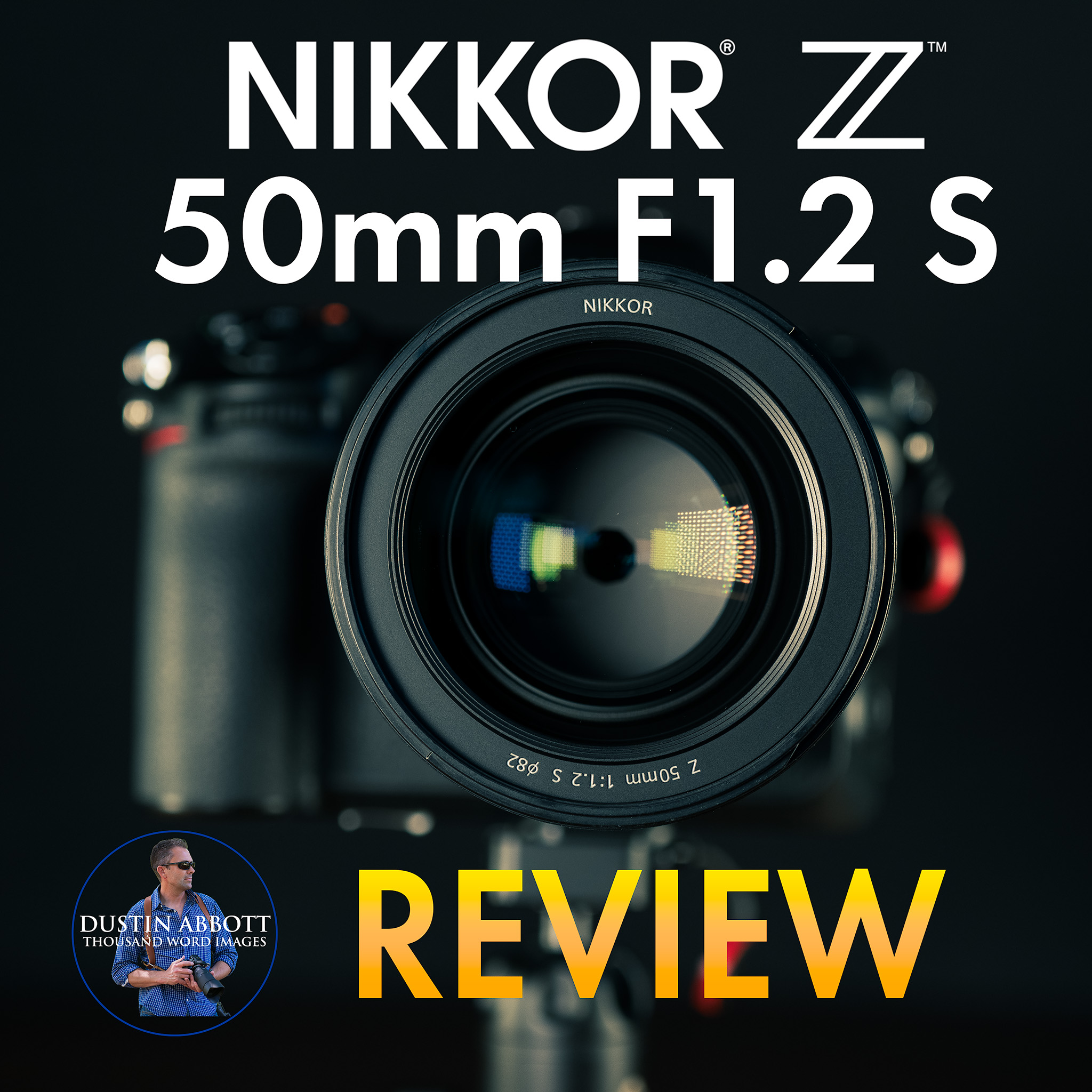
AI Summary: The Nikkor Z 50mm F1.2 S is a premium lens priced at $2,250, notable for its ultra-bright F1.2 aperture, making it currently the only native autofocusing option of its kind for Nikon’s Z-mount. While it offers exceptional build quality and performance, especially for portrait photography, its hefty weight and price may deter casual users. The lens excels in creating a beautiful shallow depth of field, but it faces stiff competition from newer models potentially offering better optical performance. Ultimately, while the 50mm F1.2 S is an outstanding tool for serious photographers, it’s not the go-to choice for everyone.
Strengths:
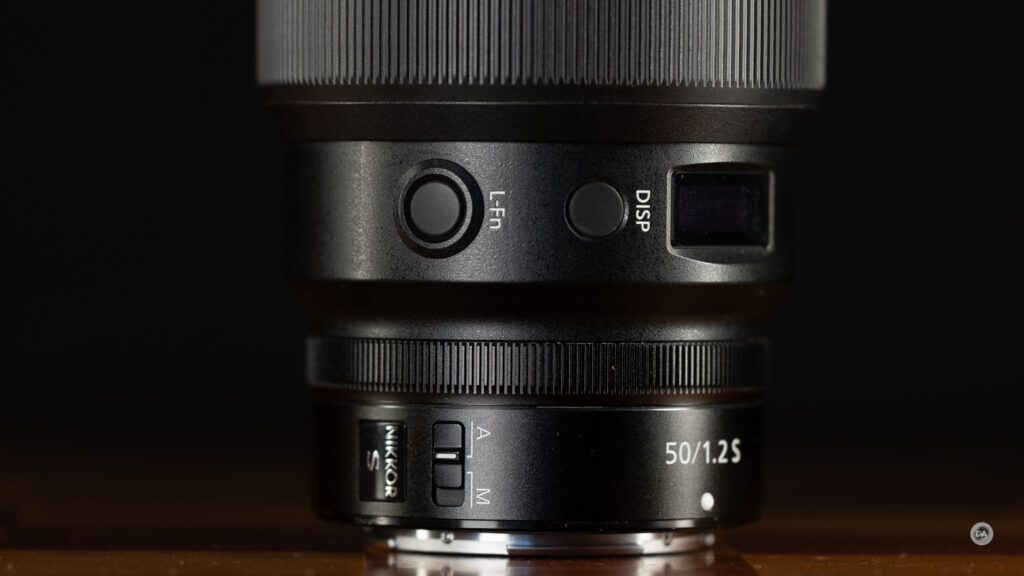
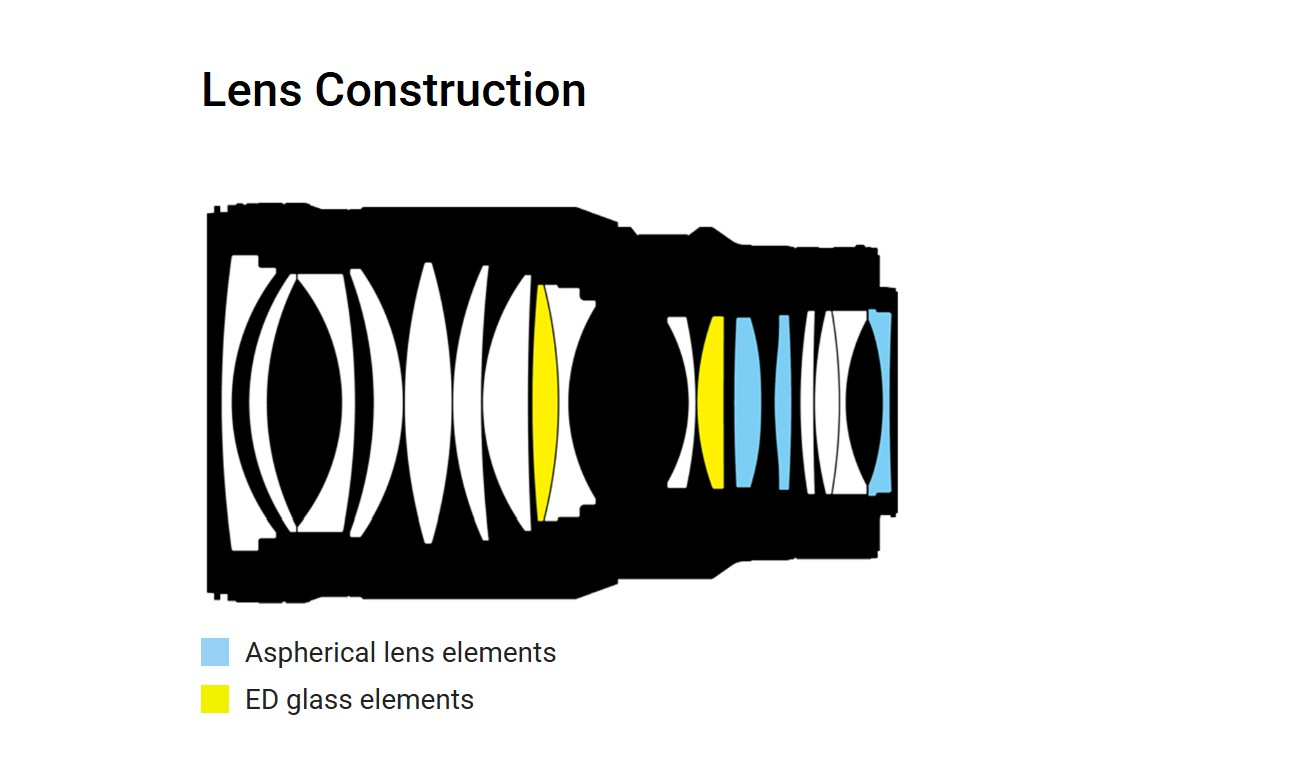
Nikkor Z 50mm F1.2 S Review (2026) | Still the 50mm Champ?
Dustin Abbott
Nikkor Z 50mm F1.2 S Review - DustinAbbott.net
Photographer Dustin Abbott shares an in-depth review of the Nikkor Z 50mm F1.2 S premium normal prime lens for Nikon Z-mount cameras
dustinabbott.net
AI Summary: The Nikkor Z 50mm F1.2 S is a premium lens priced at $2,250, notable for its ultra-bright F1.2 aperture, making it currently the only native autofocusing option of its kind for Nikon’s Z-mount. While it offers exceptional build quality and performance, especially for portrait photography, its hefty weight and price may deter casual users. The lens excels in creating a beautiful shallow depth of field, but it faces stiff competition from newer models potentially offering better optical performance. Ultimately, while the 50mm F1.2 S is an outstanding tool for serious photographers, it’s not the go-to choice for everyone.
Strengths:
- Ultra-bright F1.2 aperture allows for stunning shallow depth of field.
- Excellent build quality with weather sealing.
- Reliable autofocus performance for portraits and wedding photography.
- Produces beautiful image rendering with appealing background bokeh.
- Hefty weight (around 1100g) can be cumbersome for prolonged use.
- High price point may not justify the performance for casual users.
- Average autofocus speed compared to other premium lenses.
- Some optical issues, including heavy vignette and longitudinal chromatic aberrations.
Pros:
- Ultra-bright F1.2 Aperture: The lens allows for excellent low-light performance and the ability to create a shallow depth of field that is ideal for portraits and creative shots.
- Stunning Image Rendering: Produces beautiful bokeh and soft backgrounds, enhancing subject isolation and adding a professional touch to images.
- Build Quality: Constructed with a tough outer shell of metal alloys and engineered plastics, ensuring durability and resilience.
- Weather Sealing: Offers protection against the elements, making it suitable for outdoor and challenging shooting conditions.
- Customizable Control Ring: Provides versatility in controlling various functions like ISO and exposure compensation, allowing photographers to adapt the lens to their shooting preferences.
- Smooth Manual Focus: Features a well-textured, smooth manual focus ring that allows for precise adjustments and overrides while in autofocus mode.
- Good Autofocus Performance: While average speedwise, the focus is generally reliable and confident, especially in portraiture, benefiting from first-party proprietary algorithms.
- Quality of Construction: No visible gaps or flex in the lens body, indicating high manufacturing standards and reliability.
- Reduced Focus Breathing: Minimal focus breathing in video shooting makes it a good option for filmmakers looking for smooth focus transitions.
Cons:
- High Price Point: At approximately $2,250, the lens is expensive, primarily appealing to professionals rather than hobbyists.
- Weight and Size: Heavier than many competing 50mm lenses, which can make prolonged usage uncomfortable, especially during long shooting days.
- Average Autofocus Speed: While the autofocus is reliable, it doesn’t deliver the fast response times seen in newer premium lenses, which may limit its use in fast-paced shooting situations.
- Optical Performance: Despite being a premium lens, it shows issues with heavy vignetting and noticeable longitudinal chromatic aberrations, which may detract from overall image quality in certain conditions.
- OLED Display Limitations: The OLED panel on the lens, while functional, may not provide adequate visibility in bright sunlight, requiring reliance on the camera’s LCD for aperture settings.
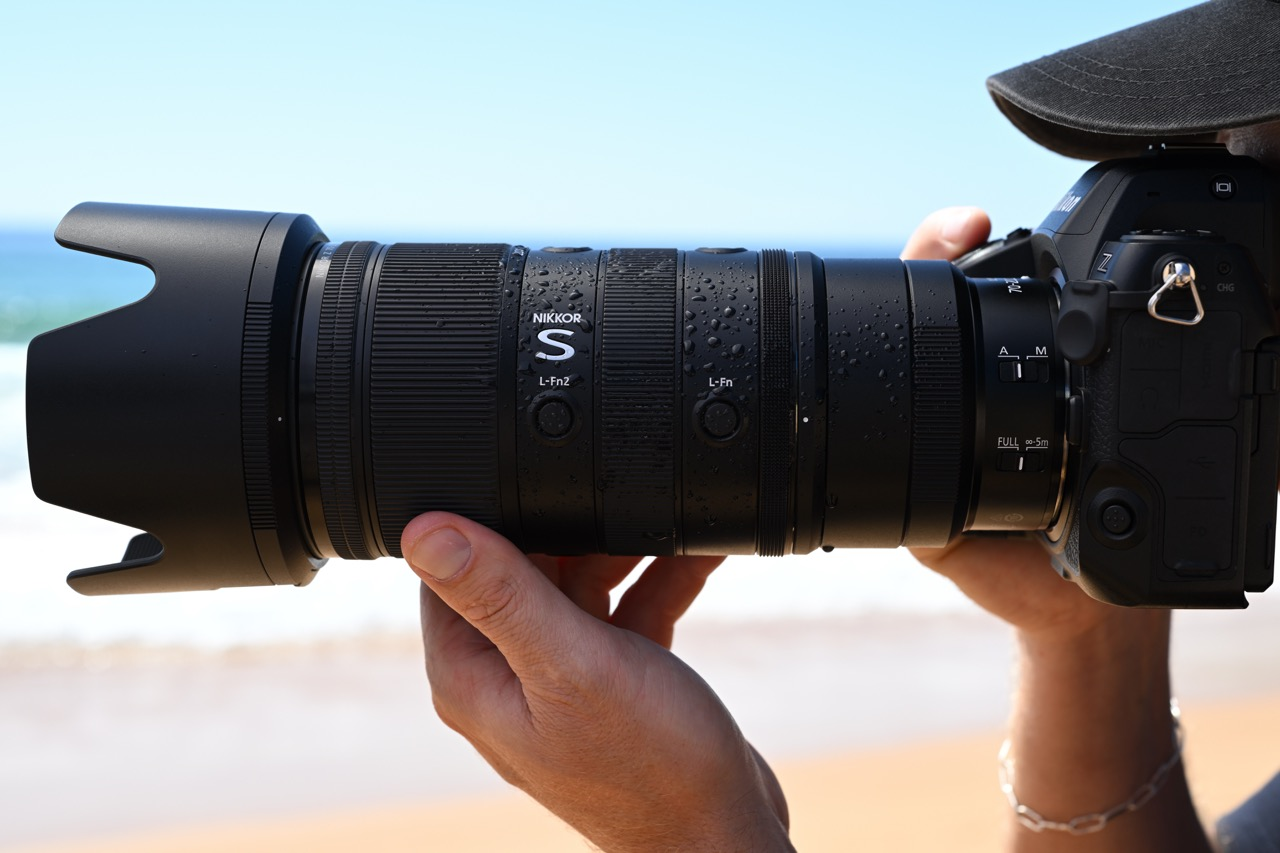
Noticeably Ligther: Hands On Preview of the new NIKKOR Z 70-200MM F/2.8 VR S II LENS - Imaging Resource
Nikon’s new NIKKOR Z 70-200mm F/2.8 VR S II lens is a big update to its flagship 70-200mm lens, but it’s also a light(er) update. The new lens will be available in March, and can be preordered now. I had the opportunity to test the new lens for several hours with Nikon in New York […]
www.imaging-resource.com
stratigos24
AVClub Enthusiast
It’s official: Nikon Europe announces an extended, free five-year warranty on all Nikkor Z lenses

It's official: Nikon Europe announces an extended, free five-year warranty on all Nikkor Z lenses - Nikon Rumors
The previously reported Nikon Europe extended, free five-year warranty on all Nikkor Z-mount lenses is now official. European retailers like Foto Ehardt and WEX Photo have already updated their websites with the new 5-year warranty: Additional information: Nikon Europe announces an extended...
 nikonrumors.com

stratigos24
AVClub Enthusiast
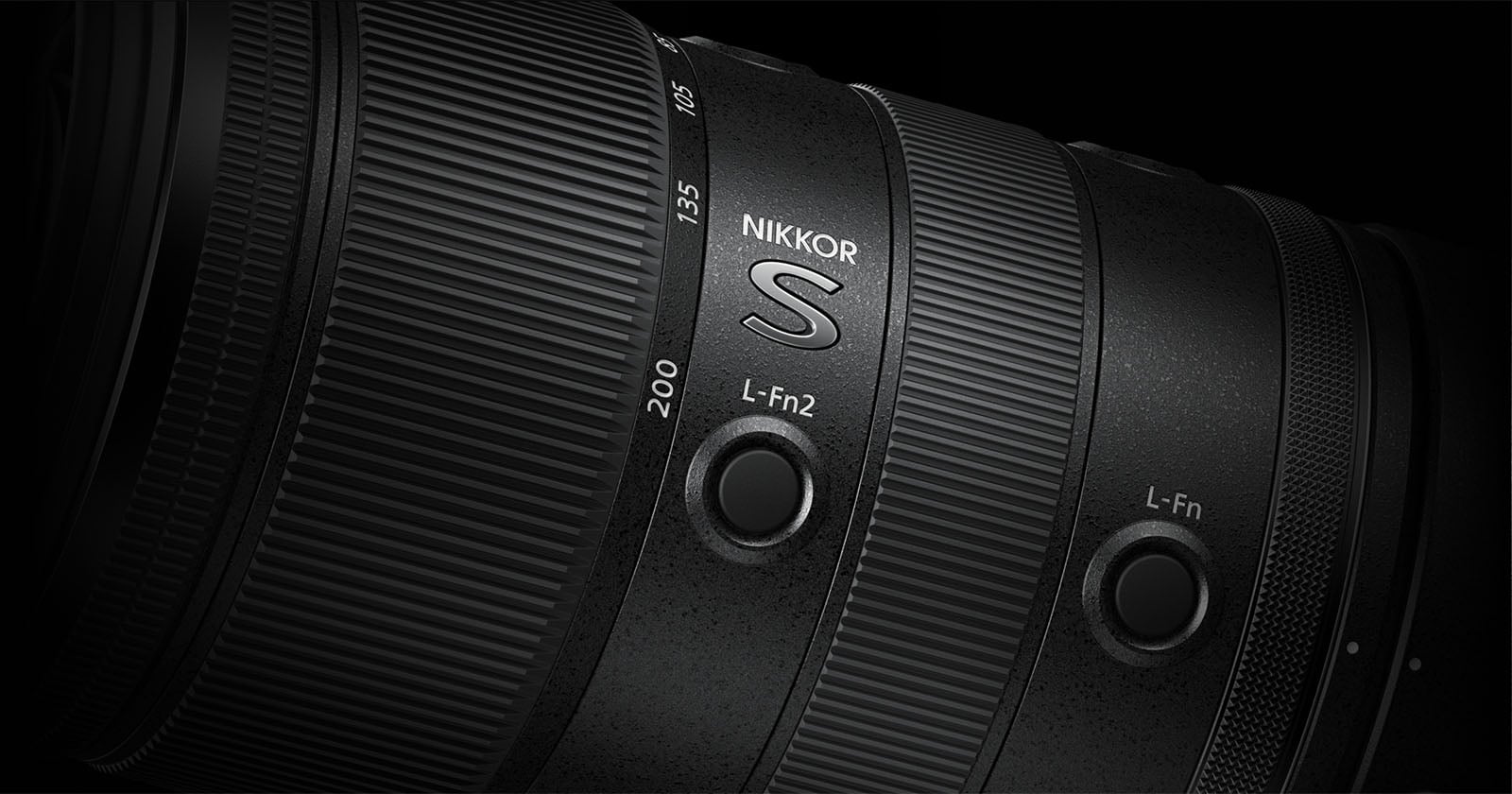
Nikon Explains How It Makes Lenses Smaller While Somehow Making Them Better
 petapixel.com
Nikon Explains How It Makes Lenses Smaller While Somehow Making Them Better
Lens design is a complex, delicate balance of competing ideals.