steadyshot
Senior Member
- 16 July 2012
- 656
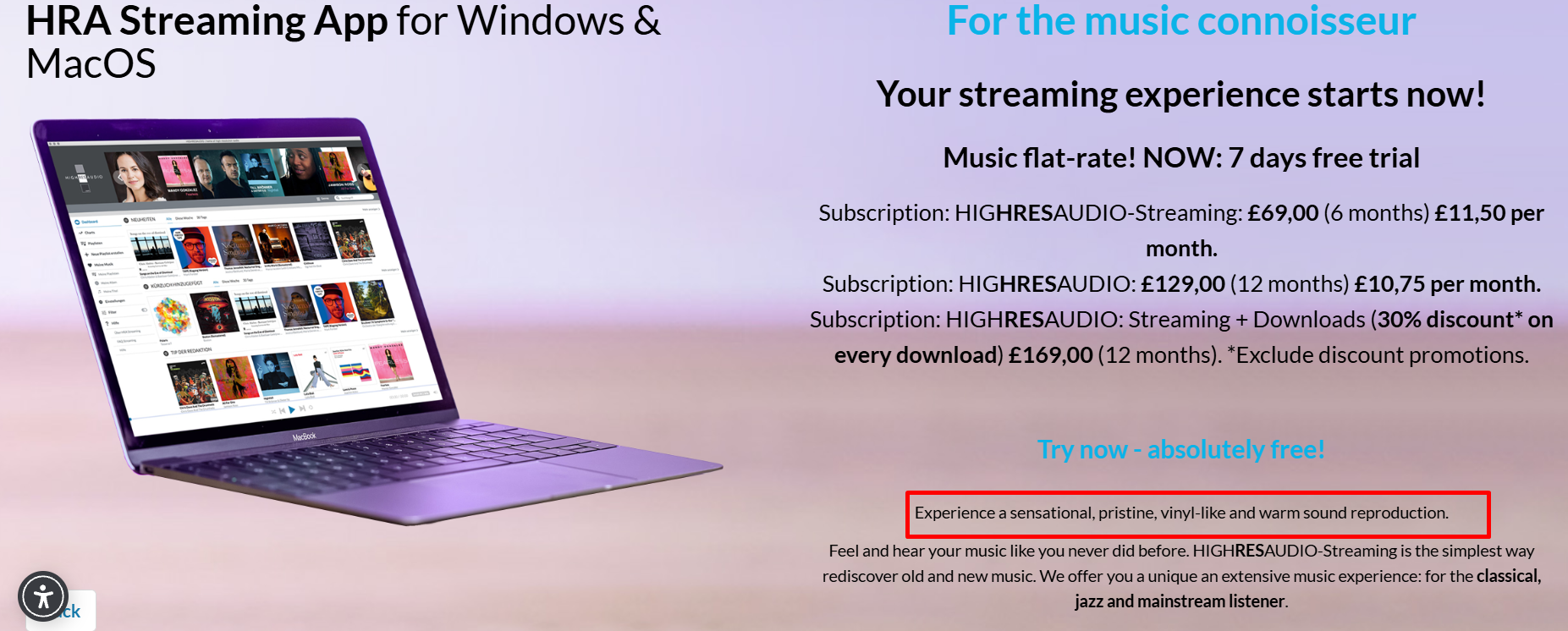
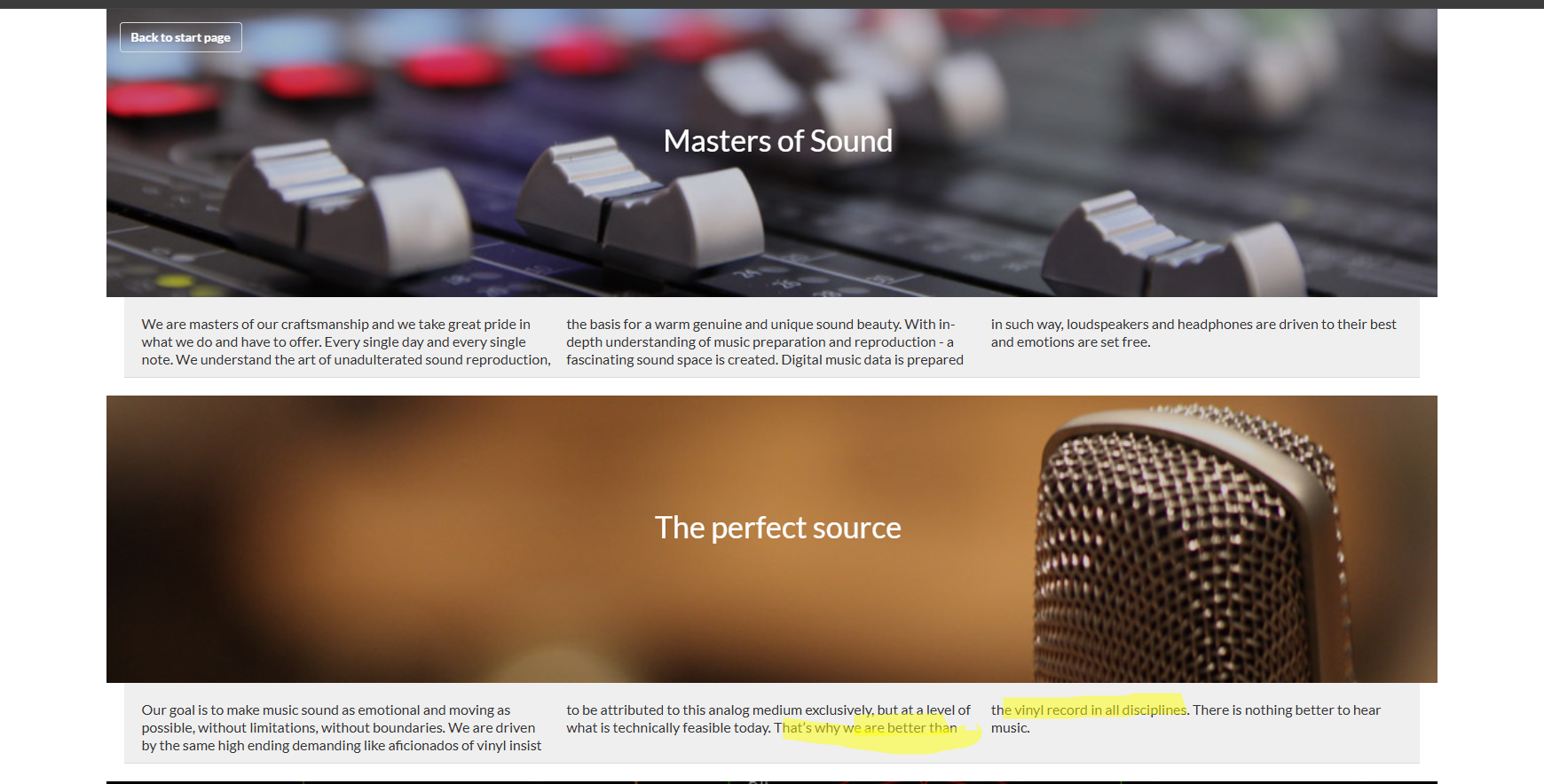
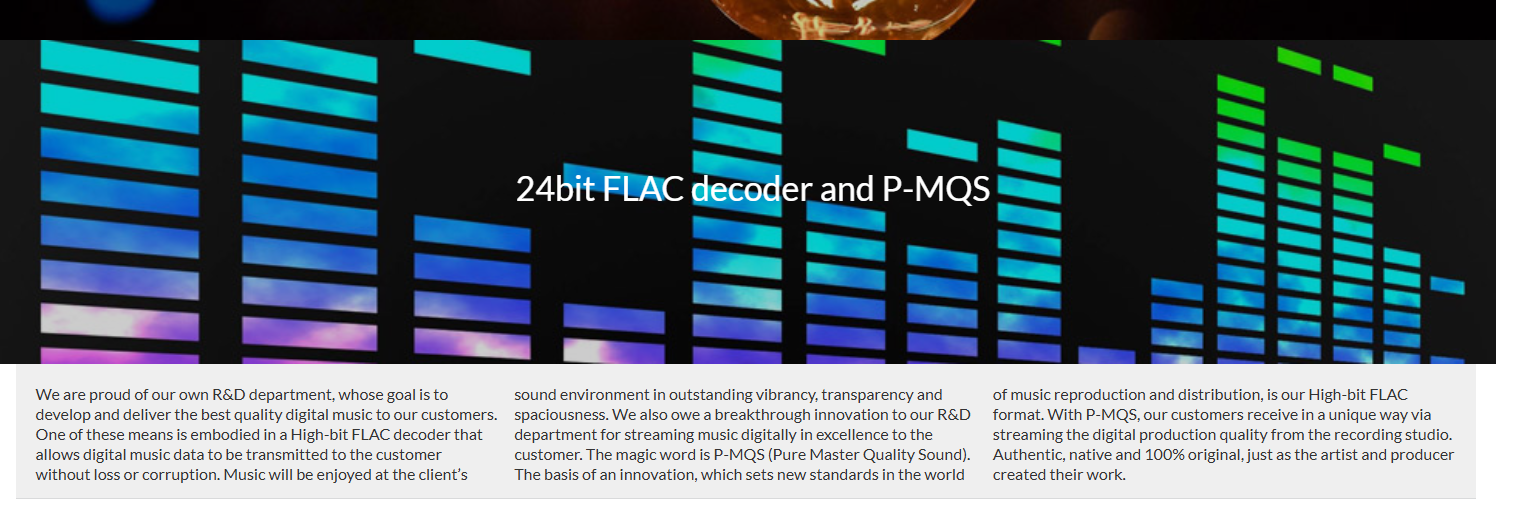
Τρεμε qobuz. https://www.highresaudio.com/en/content/hra-streaming
www.highresaudio.com
Ακριβώς έτσι πριν το καταραμένο update σου με φορτωμένο το ram system στο boot έπαιζα κανονικά, ακολουθώ τη συμβουλή σου και τέζα το σύστημα στο boot. Δεν πειράζει έχω την backup κάρτα μου λέω, όμως ο γκαντέμης την έβαλα καταλάθος σε drone για κάτι λήψεις και πάει. Τωρα το αφήνω αναμένο πάντα και πριν πάω για ύπνο κάθε βράδυ που βλέπω τα φωτάκια του σε βρίζω.Και που να το κάνω; Στο δικό μου και μετά να μην ξεκινάει;
True story
- Έλα ρε, έχουν βγάλει update. Κάνε το αλλά μετά μην κάνεις enable το ram system να φορτώνει με το boot.
- Αφού έχω κάνει και κάνει κανονικά boot!
- Ρε συ, το έχουν γράψει στα bugs και ότι θα το φτιάξουν!
- Αφού εγώ το έχω κλείσει και το έχω ανοίξει τόσες φορές.
(ενεργοποιώ το ram system, reboot δεν έκανε ξανά ποτέ).
- Να κοίτα! Και σε εσένα το κάνει! Backup είχες ε;
qobuz problems created by lufsΑν σου πω ότι κατάλαβα τελικά γιατί ακούγατε (σε σένα) boom-boom θα σου πω ψέματα
qobuz problems created by lufs
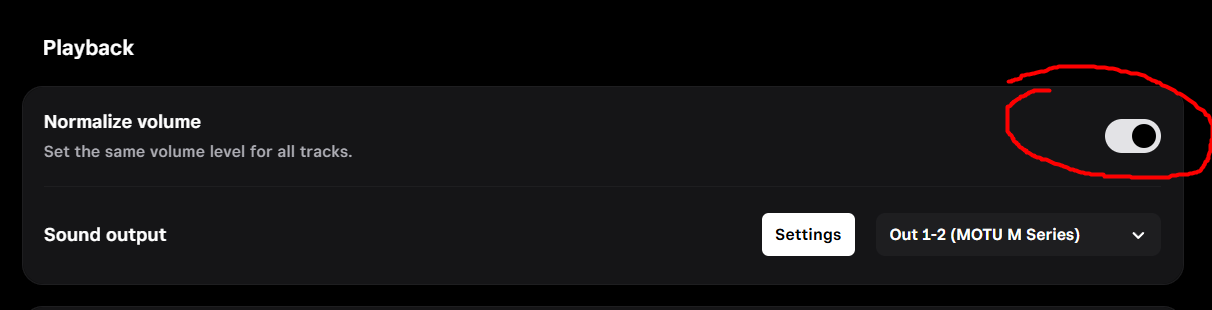
Yes — issues with Qobuz volume and LUFS-related loudness are a real thing that many listeners talk about, and they stem from how (or whether) Qobuz handles loudness normalization compared with other streaming services.
What LUFS and Loudness Normalization Mean
LUFS (Loudness Units relative to Full Scale) is a standard measurement of perceived loudness used by streaming services so that tracks play back at similar perceived volume levels (e.g., −14 LUFS on Spotify) across different songs and albums.
Most streaming services normalize audio to a target LUFS level during playback so that:
Quiet tracks get boosted
Loud tracks get turned down
This gives a more consistent listening experience.
What Qobuz Does Differently
Unlike many services (Spotify, Apple Music, Tidal, etc.), Qobuz traditionally has no consistent loudness normalization — it streams files at their original mastered level. There’s no enforced LUFS target that adjusts playback volume.
This has a few consequences:
1. Big Volume Swings Between Tracks
Songs mastered very loud or very soft won’t be level-matched on Qobuz. If you switch tracks or albums, you may experience noticeable differences in volume. Users frequently report this frustration, especially in random playlists.
“Qobuz does not have volume normalization … Loudness variations can be huge between recordings.”
2. Perceived Loudness Can Be Very Different
Some people find Qobuz louder or quieter than other services simply because it doesn’t compress loudness to a common LUFS level. A track mastered hot could sound louder than a quieter master from another service.
This also means tracks don’t feel “consistent” in loudness — quieter masters stay quiet, louder masters stay loud.
3. Lack of Volume Normalization Features
Many users have asked for replay gain / normalization settings in Qobuz apps — to this point it’s either:
Not implemented in many official apps
Only possible via third-party clients (Roon, USB Audio Player Pro, BubbleUPnP, etc.)
So even if you want consistent loudness, Qobuz doesn’t natively provide it across all platforms.
Τρεμε qobuz. https://www.highresaudio.com/en/content/hra-streaming
HIGHRESAUDIO | home of high-resolution audio
www.highresaudio.com


qobuz problems created by lufs
Yes — issues with Qobuz volume and LUFS-related loudness are a real thing that many listeners talk about, and they stem from how (or whether) Qobuz handles loudness normalization compared with other streaming services.
What LUFS and Loudness Normalization Mean
LUFS (Loudness Units relative to Full Scale) is a standard measurement of perceived loudness used by streaming services so that tracks play back at similar perceived volume levels (e.g., −14 LUFS on Spotify) across different songs and albums.
Most streaming services normalize audio to a target LUFS level during playback so that:
Quiet tracks get boosted
Loud tracks get turned down
This gives a more consistent listening experience.
What Qobuz Does Differently
Unlike many services (Spotify, Apple Music, Tidal, etc.), Qobuz traditionally has no consistent loudness normalization — it streams files at their original mastered level. There’s no enforced LUFS target that adjusts playback volume.
This has a few consequences:
1. Big Volume Swings Between Tracks
Songs mastered very loud or very soft won’t be level-matched on Qobuz. If you switch tracks or albums, you may experience noticeable differences in volume. Users frequently report this frustration, especially in random playlists.
“Qobuz does not have volume normalization … Loudness variations can be huge between recordings.”
2. Perceived Loudness Can Be Very Different
Some people find Qobuz louder or quieter than other services simply because it doesn’t compress loudness to a common LUFS level. A track mastered hot could sound louder than a quieter master from another service.
This also means tracks don’t feel “consistent” in loudness — quieter masters stay quiet, louder masters stay loud.
3. Lack of Volume Normalization Features
Many users have asked for replay gain / normalization settings in Qobuz apps — to this point it’s either:
Not implemented in many official apps
Only possible via third-party clients (Roon, USB Audio Player Pro, BubbleUPnP, etc.)
So even if you want consistent loudness, Qobuz doesn’t natively provide it across all platforms.
απο κοντα με καφε ευχαριστωΌταν μιλάμε για πακέτα ethernet η διαδρομή δεν παίζει κανέναν ρόλο. Μόνο το τι γίνεται μέσα στο σπίτι μας παίζει ρόλο.
Επίσης, αν έχετε προβλήματα με το internet γενικότερα στην περιοχή σας, η προσθήκη VPN δεν θα βοηθήσει καθόλου.
Ίσα ίσα, είναι ένα ακόμα layer που αν έχει προβλήματα μπορεί να φέρει επιπλοκές.
Πάντως, αν έχετε θέμα με το internet, το Qobuz θα κάνει διακοπές στην αναπαραγωγή. Δεν θα αλλάξει κάτι άλλο.
Αν σου πω ότι κατάλαβα τελικά γιατί ακούγατε (σε σένα) boom-boom θα σου πω ψέματα.![]()
Άμα θέλετε να διυλίσετε τον κώνωπα είναι δικαίωμα σας!Υπάρχουν υπόνοιες ότι ακόμα και το ότι υπάρχει αυτό το δικαίωμα, επηρεάζει τον ήχο (λόγω αρχιτεκτονικής του λογισμικού).
Οπότε είμαι πολύ χαρούμενος που το Qobuz δεν το δίνει καν σαν δυνατότητα. Είμαι σίγουρος ότι δεν "χαλάει" κάτι.
We use essential cookies to make this site work, and optional cookies to enhance your experience.